On September 1, 2022, I moved into the Frobbit House. Four years later, I realise that I didn’t simply move into a house. I moved into an established little ecosystem, complete with its own residents, routines, politics and, as it turned out, a surprisingly sophisticated feline intelligence network.
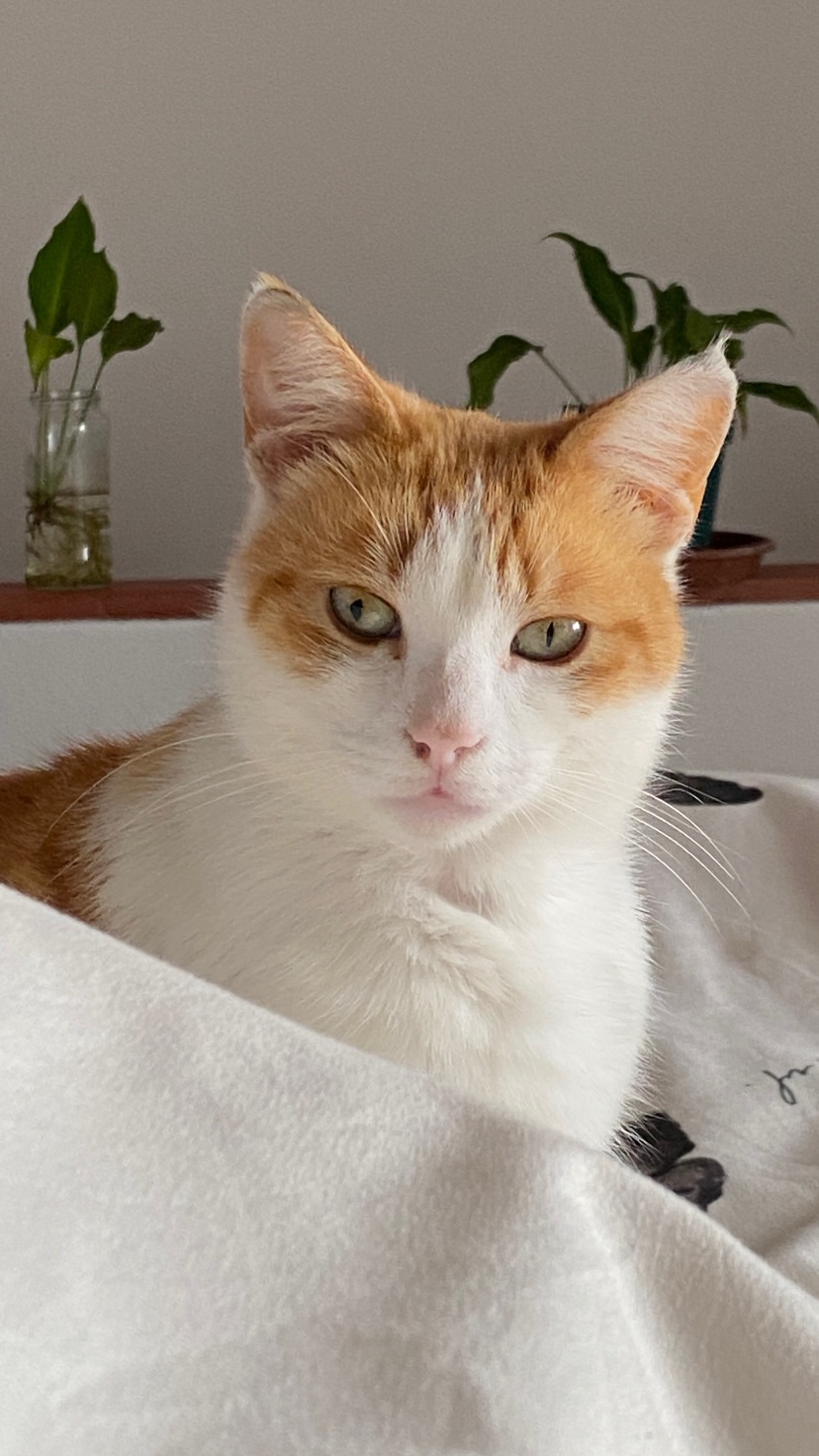
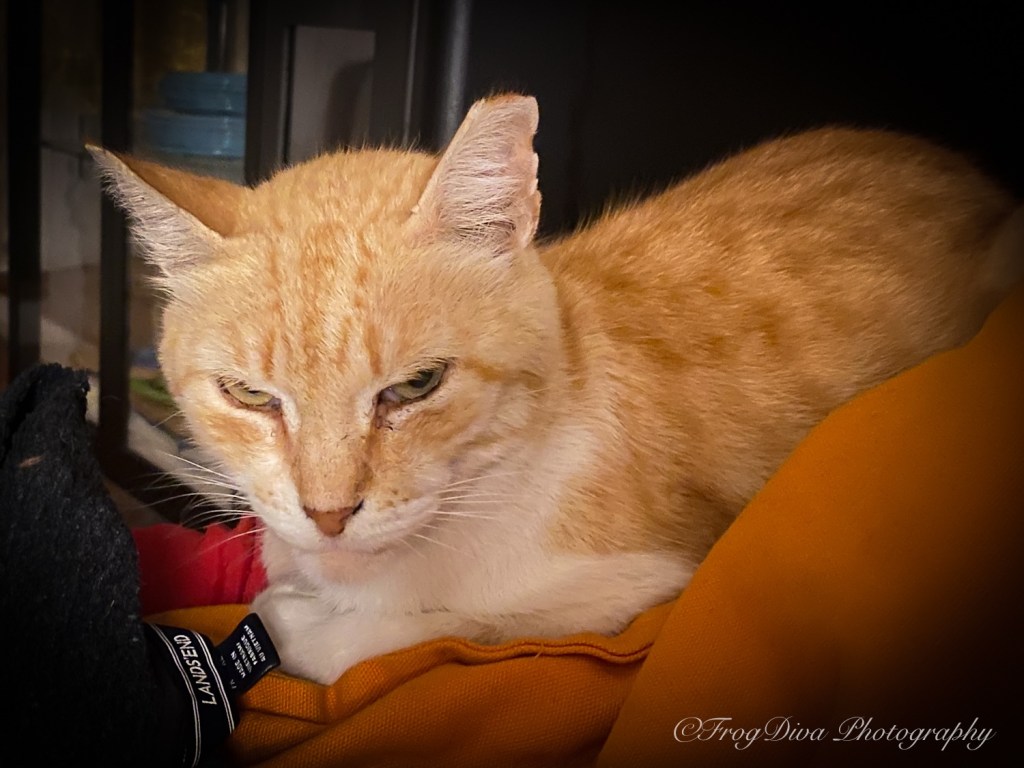
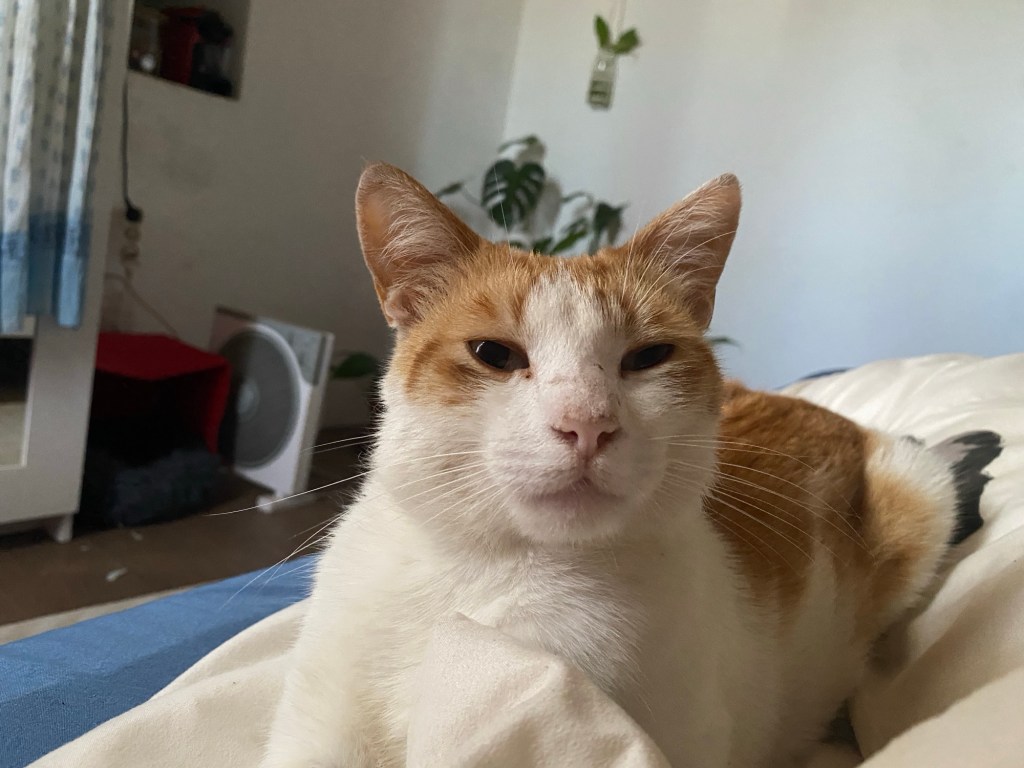
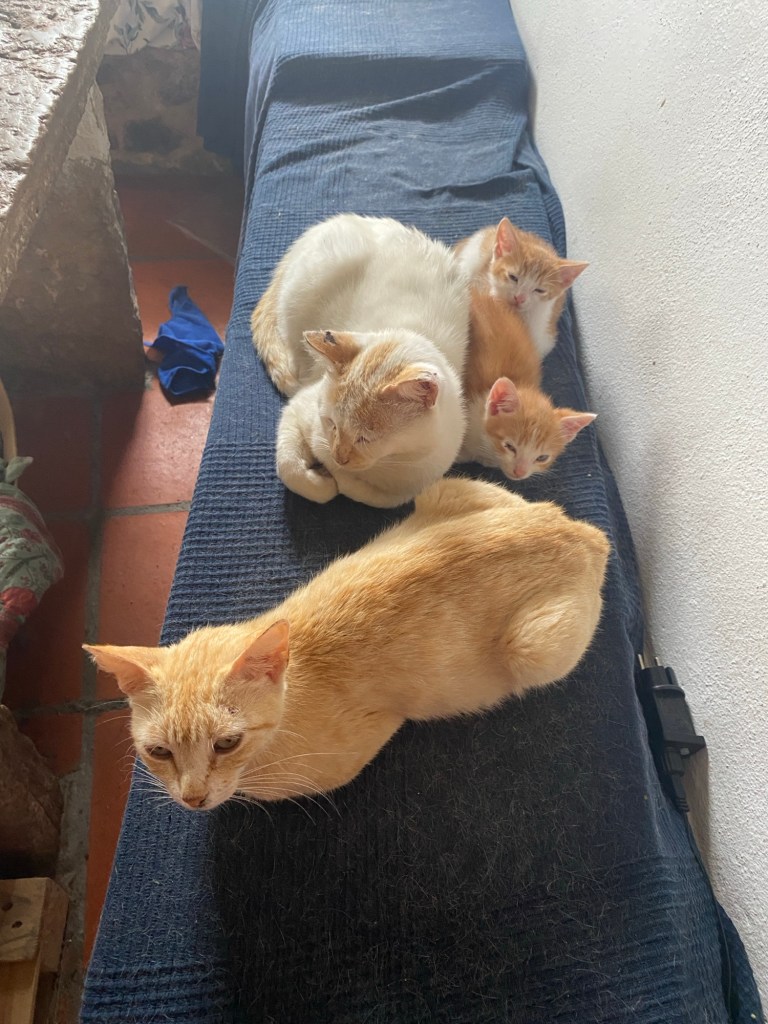
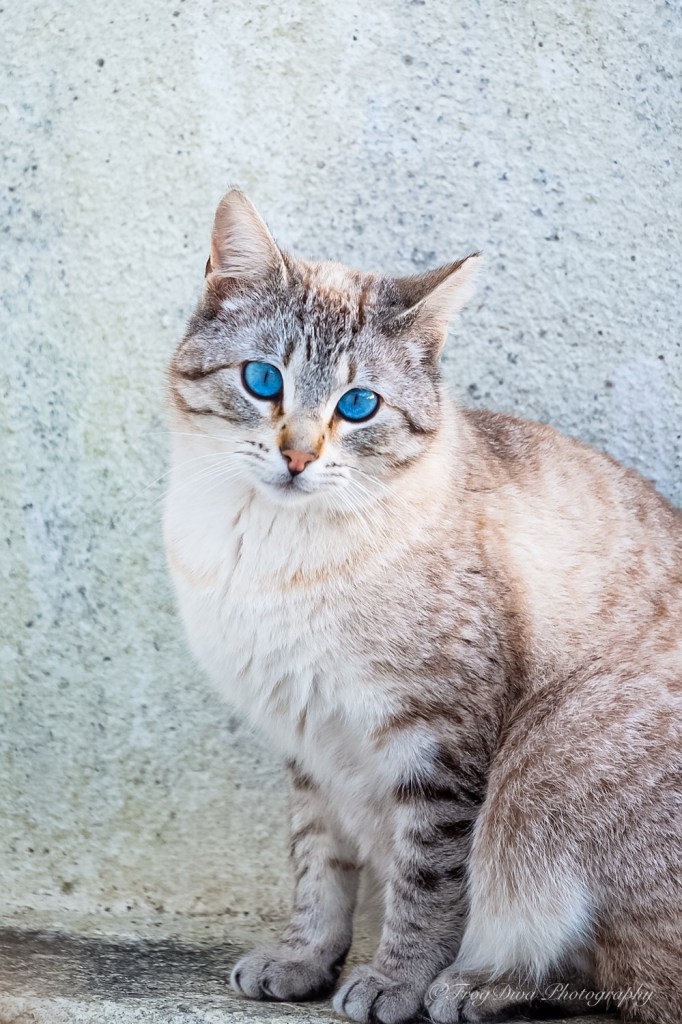
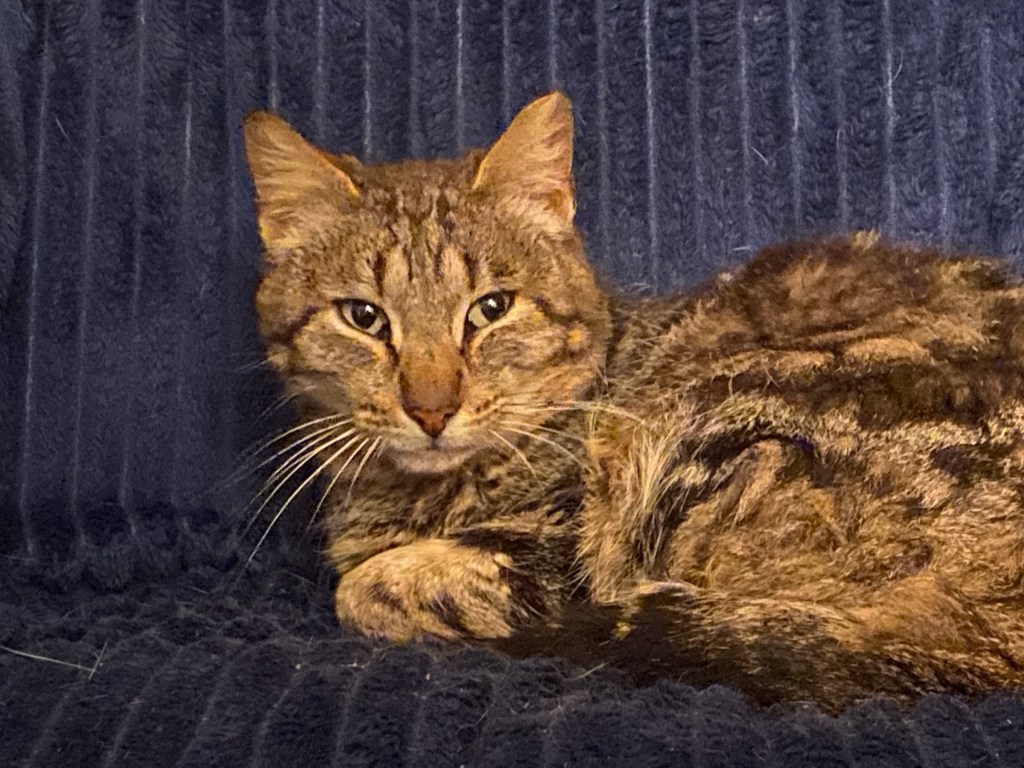
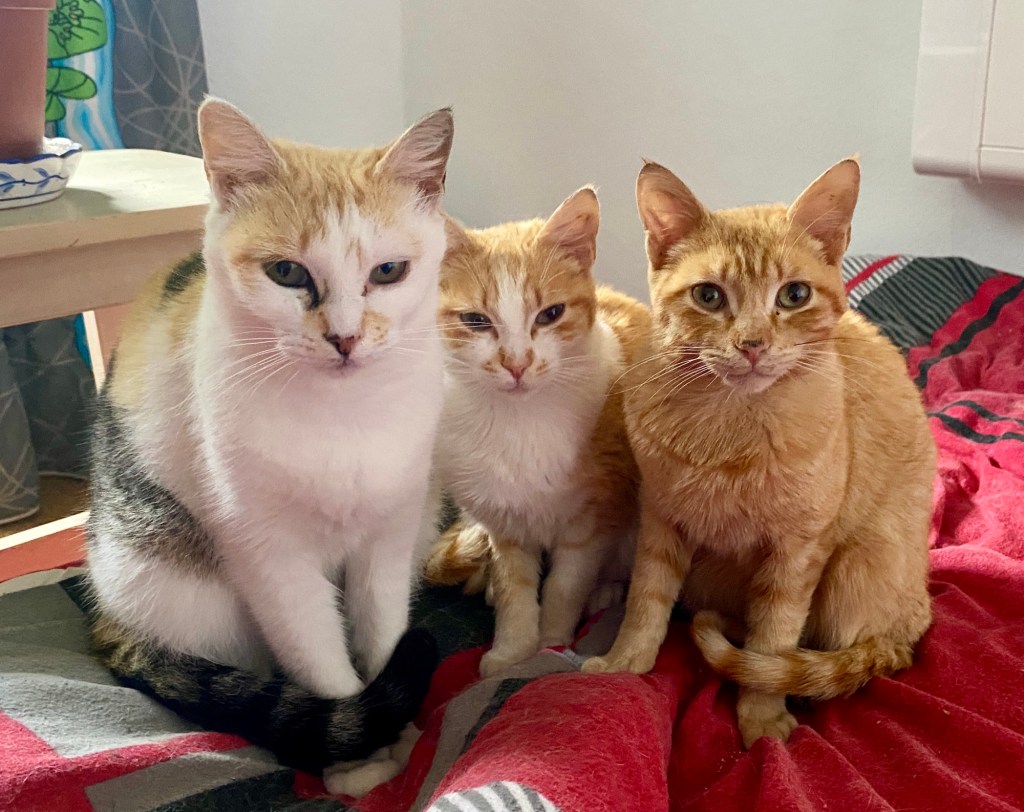
The cats were among the first to notice me. At first, it was a small, curious group that casually dropped by every morning, watching this strange new human moving around their neighbourhood with the cautious interest that comes naturally when food might be involved. Then I put out a bowl of dry food. In retrospect, this was less an act of kindness and more the opening of an international aid programme. Over the following weeks, each visitor appeared to bring a friend, the friend brought a relative and someone, somewhere, clearly notified the extended family. Before I knew it, I had The Breakfast Club.
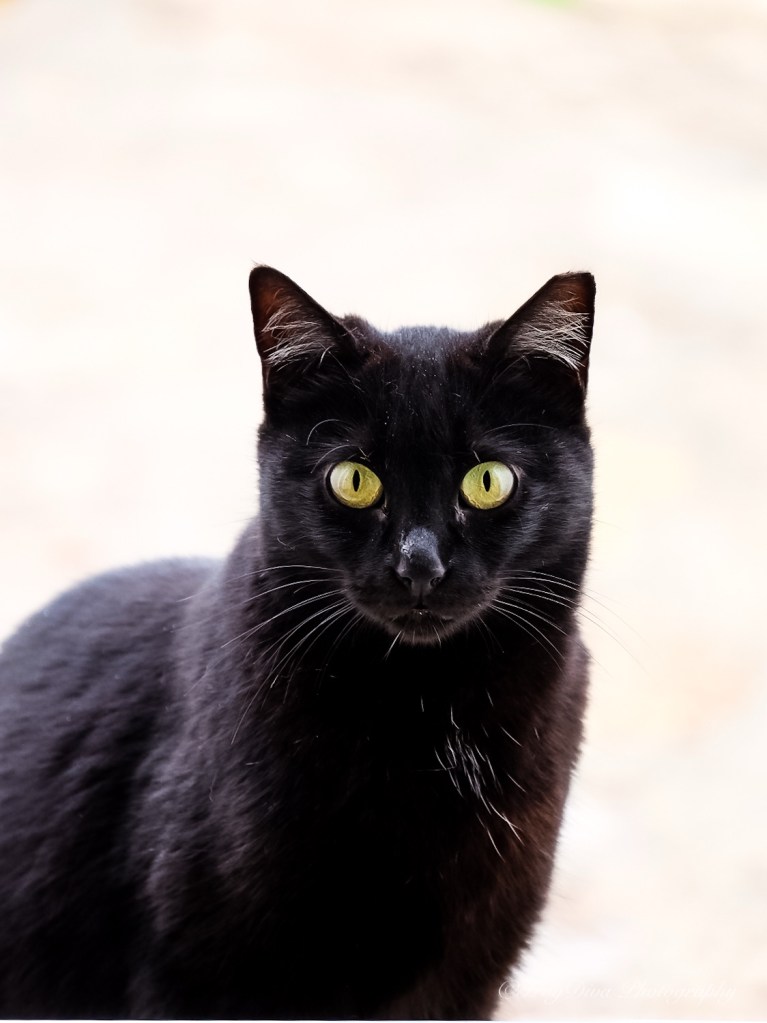
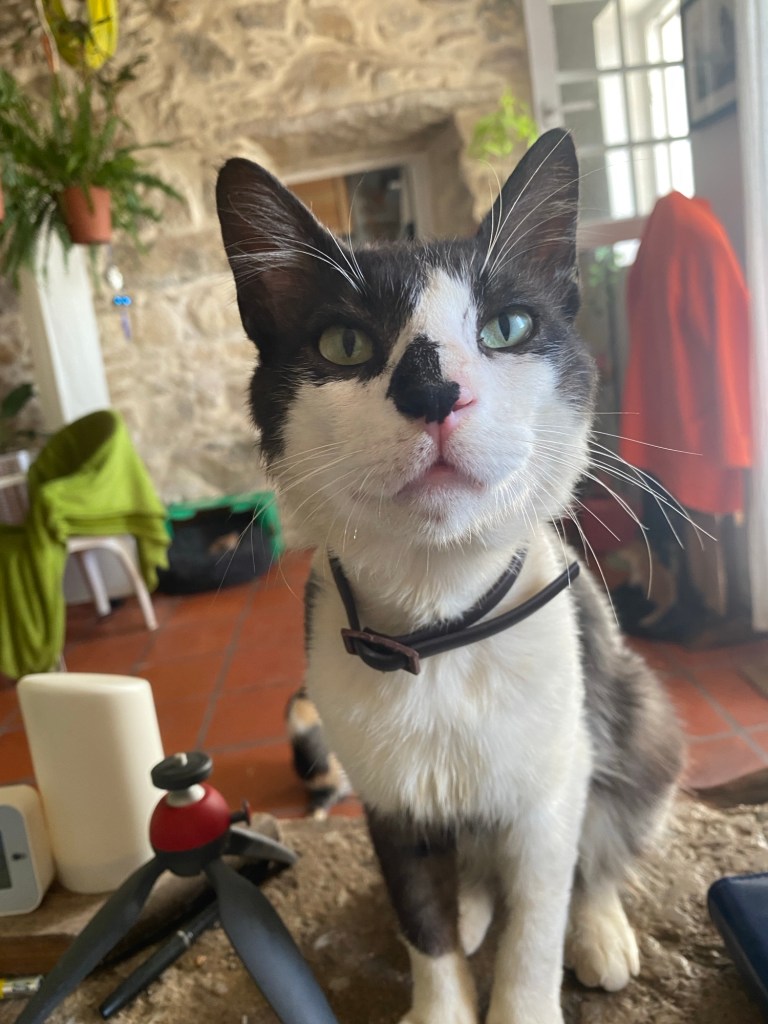
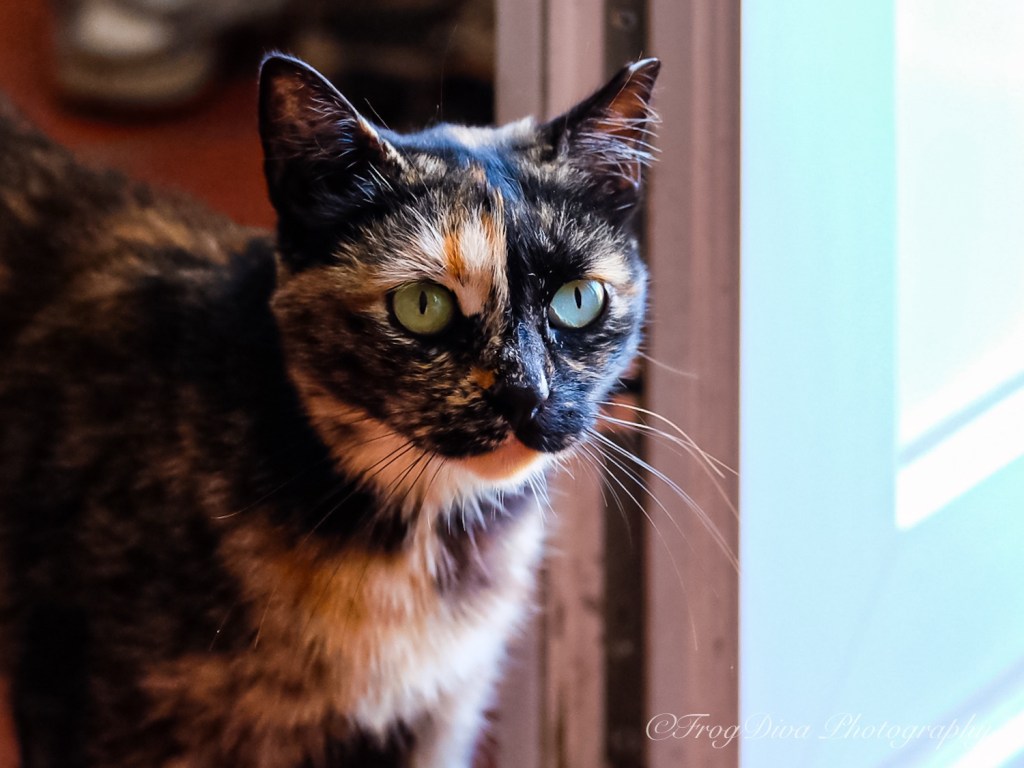
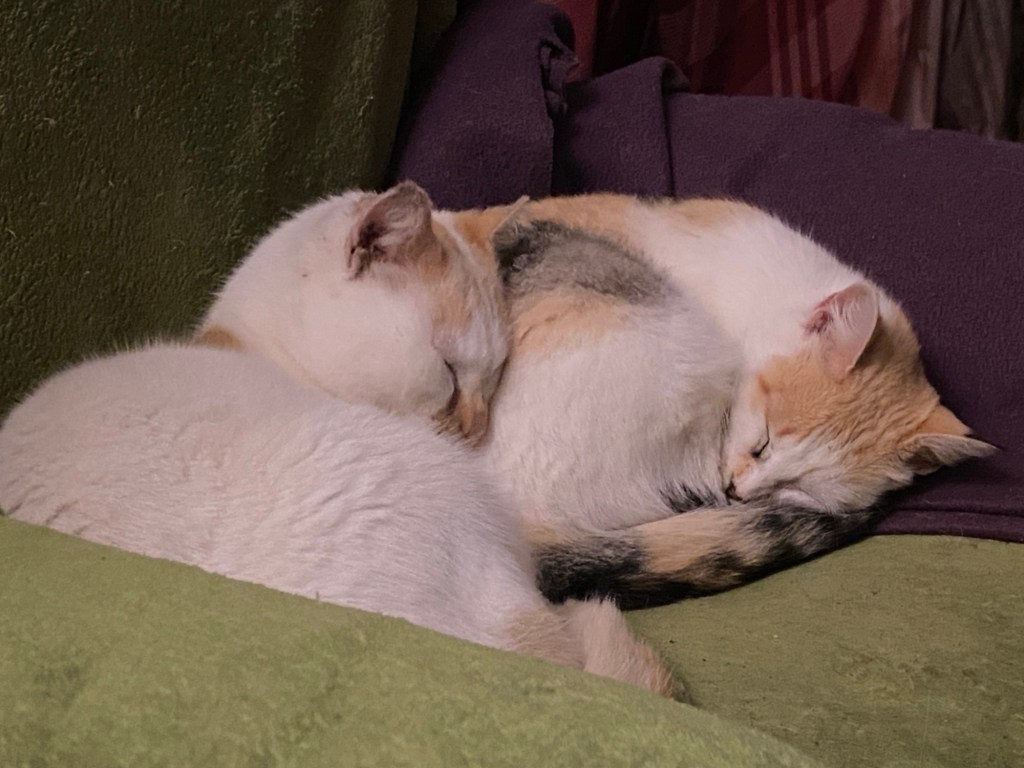
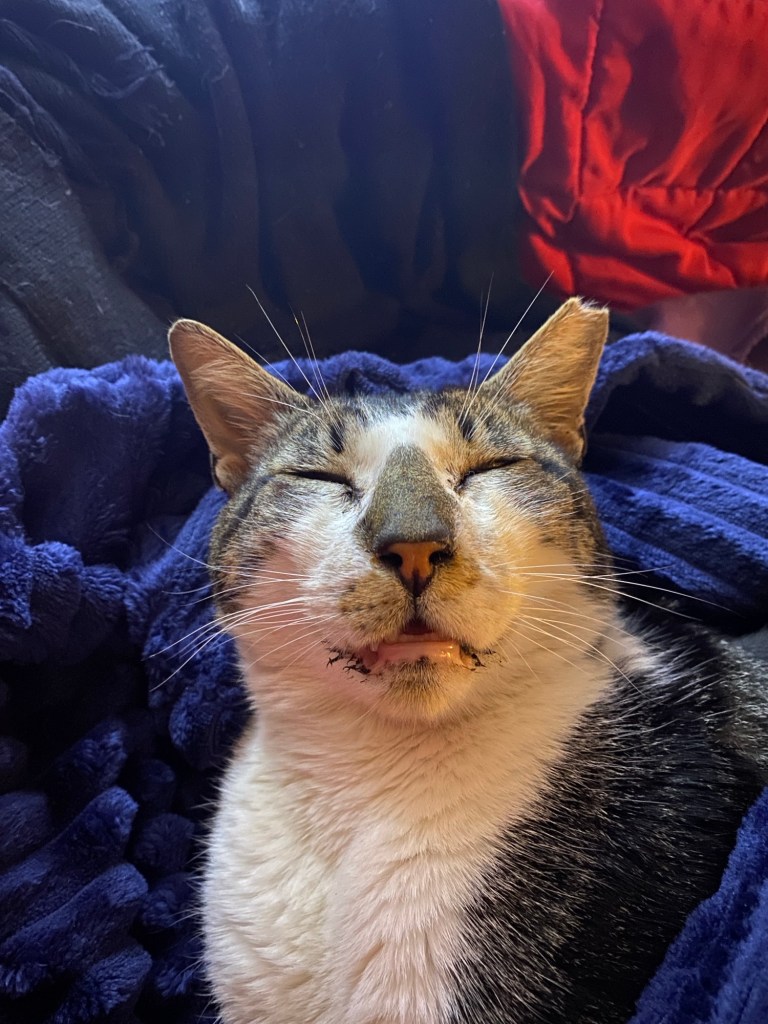
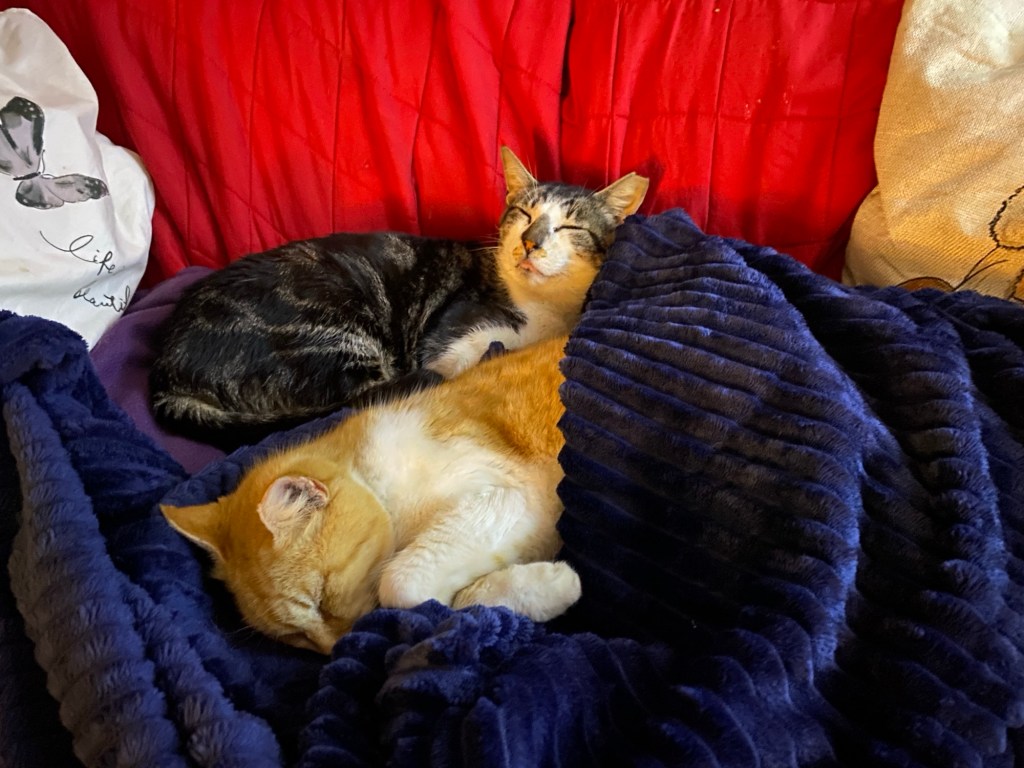
I never officially adopted any of them. There were no papers, no collars and no formal declarations of residency. They simply began living in and around the house, gradually incorporating Frobbit House into their territory and, without anyone asking my permission, becoming part of mine. Some of the next generation were even born inside the house, growing up around humans and gradually moving from feral to semi domesticated, although I suspect the term “domesticated” would be strongly contested by the management. They have become particularly fond of the house in winter, when even the most fiercely independent resident can appreciate the advantages of warmth, shelter and a strategically positioned cushion.
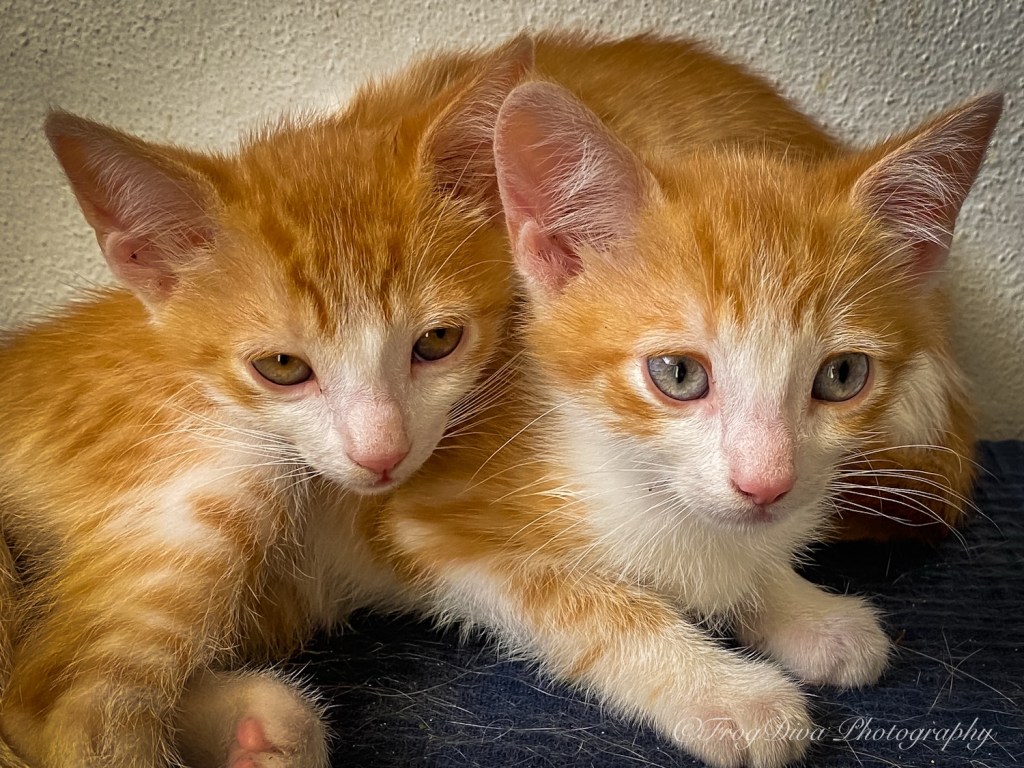
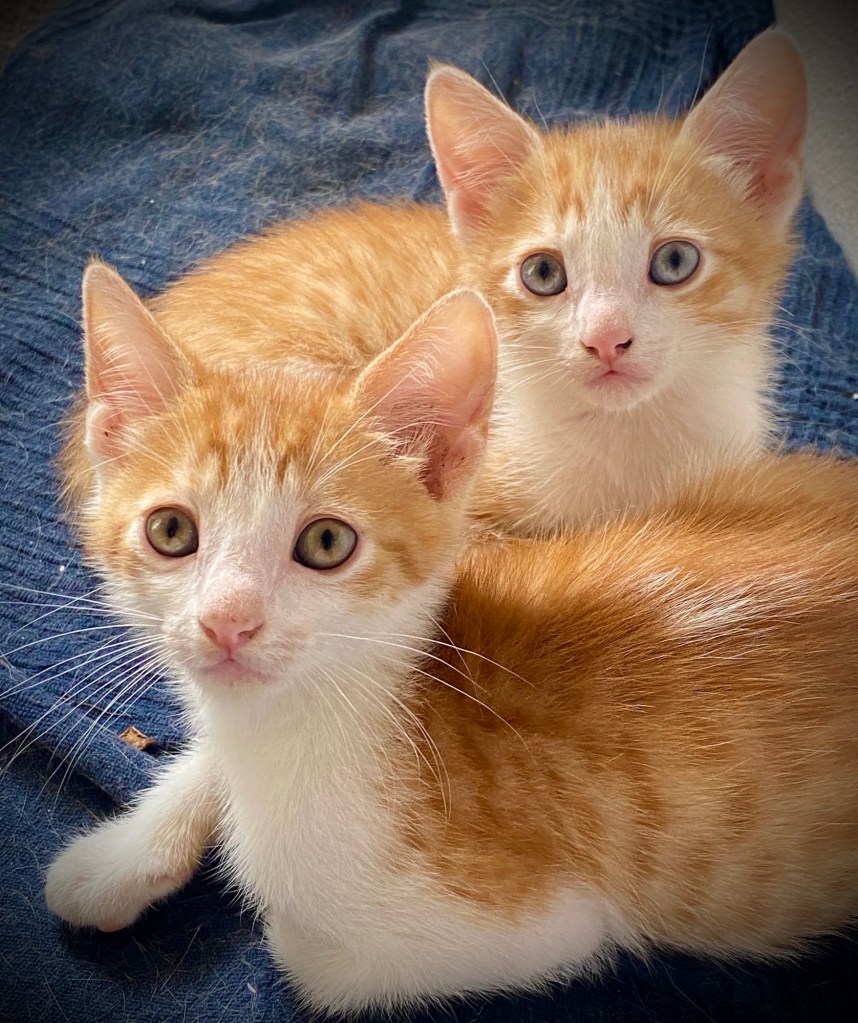
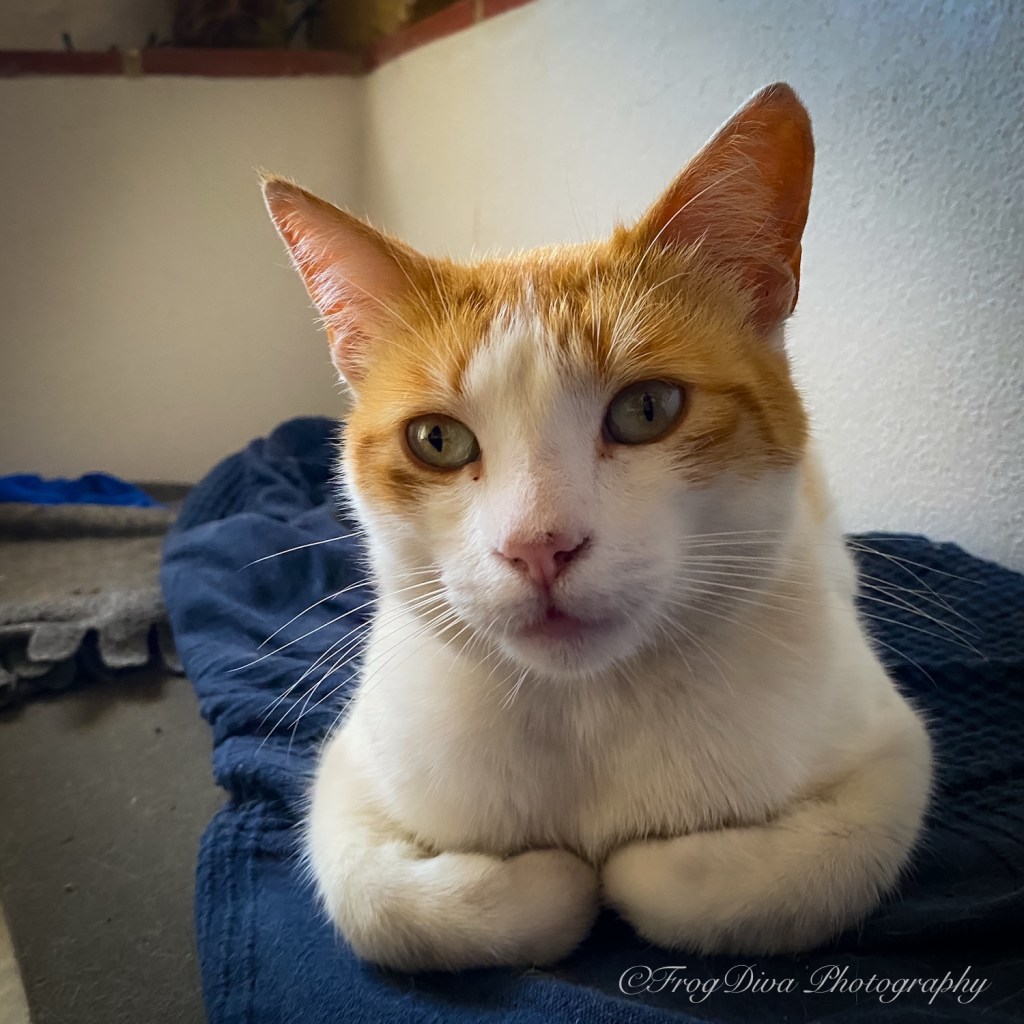
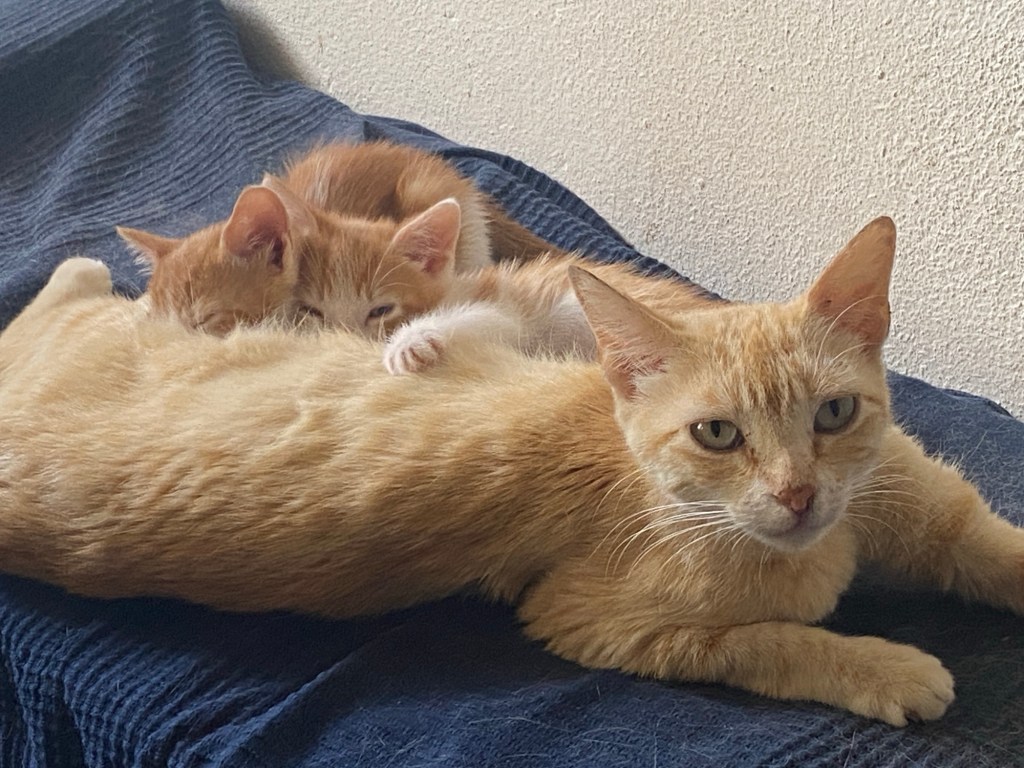
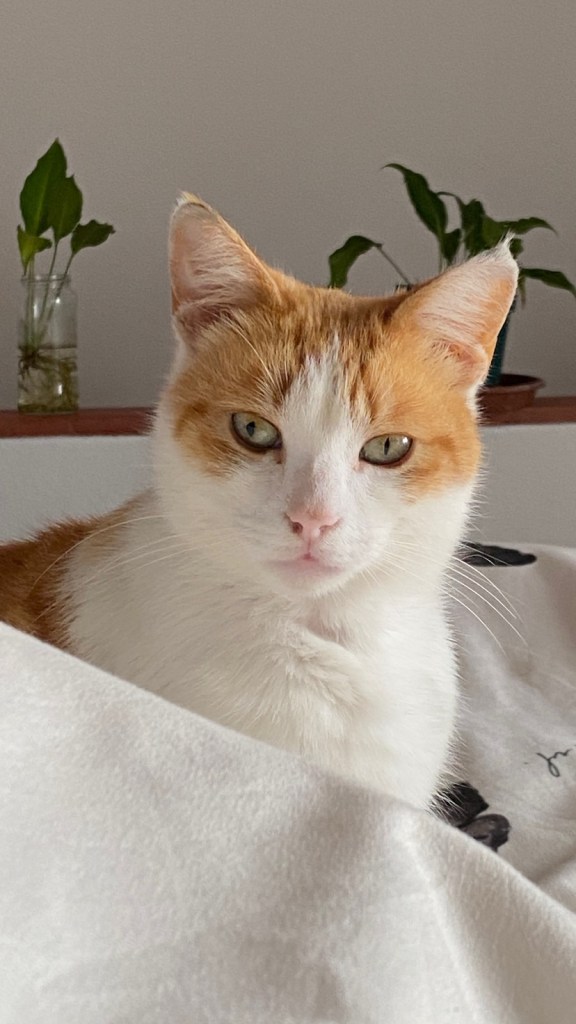
Somewhere along the way, The Breakfast Club evolved into the Feline Intelligence Agency, better known locally as the Pumpkin Patch. This is largely because orange cats form the dominant political party and appear to hold most of the senior positions. Over the years, they have learned the house, the humans and the routines, becoming remarkably skilled at interpreting the subtle differences between welcome, tolerance and immediate retreat. More importantly, I learned them. What developed between us was never really ownership or even conventional pet keeping. It was companionship based on respect, trust and what might reasonably be described as interspecies diplomacy.
Diplomacy, after all, is rarely about everyone speaking the same language. The Pumpkin Patch and I certainly don’t, yet we have established a surprisingly effective bilateral relationship. There are negotiations over food, and they can be remarkably opinionated about what is being served. I have learned that the difference between “not hungry” and “this is an unacceptable culinary decision” can be surprisingly subtle. There are also gifts. Some are charming, some are considerably less so and a few are still moving. The gesture is always appreciated, even when the execution leaves something to be desired.
The arrangement is not entirely one sided. In return for food, shelter and hospitality, the Feline Intelligence Agency provides companionship, entertainment and services that were never formally included in our agreement. I have never had an issue with rodents or bats, and despite living in a very old house with more than enough atmospheric potential for supernatural activity, I have never had a problem with ghosts either. Whether the Pumpkin Patch has dealt with these matters or whether ghosts simply know better than to enter a house under feline surveillance is open to interpretation. Either way, I consider it an excellent example of successful cultural exchange.
The relationship works because there are boundaries on both sides. The Pumpkin Patch understands that there are places they can go and things they can do, while I have learned that their boundaries are equally real. There is no need to persuade anyone who does not want to be touched, pursue someone who has decided to disappear or interpret quiet observation as a request for attention. Curiosity is encouraged, intervention is optional and timing matters. Over the years, I have watched them become remarkably good at recognising when to approach, when to wait and when to quietly walk away because there will be a better moment later.
This is where they have become unexpectedly good teachers. For the Pumpkin Patch, trust does not seem to be about active cooperation. They don’t need to agree with me, follow my wishes or remain nearby in order for trust to exist. They simply need to know that I will respect their choices. In return, I know that when they approach, they are doing so because they have chosen to, not because they have been compelled. Trust, in its simplest form, may be nothing more than the confidence that the other party is not going to make life unnecessarily difficult.
Perhaps that is why they have taught me so much about qualities I sometimes wish humans possessed in greater abundance. Respect is recognising another being’s boundaries without treating those boundaries as a personal insult. Trust is knowing that those boundaries will be respected. When both exist, companionship becomes a choice rather than an obligation.
That brings me to integration, which is perhaps the most unexpected part of this story.
When I arrived at Frobbit House four years ago, I was the newcomer. I had moved into an established neighbourhood with its own history, relationships, routines and rhythms, all of which existed long before I arrived. The people around me already knew one another. I was the outsider, still learning the landscape and trying to find my place within it.
The Pumpkin Patch, however, didn’t seem particularly concerned about any of that. They approached me long before the neighbours did. They didn’t need to know my history, where I had come from or why I had arrived. They didn’t need to speak my language. They simply observed, watched and apparently decided that I was safe enough to investigate.
That experience has stayed with me because we didn’t share a language, yet somehow we communicated perfectly well. A slow approach, a pause, a glance, a little distance, a bowl of food, a hand held out and then withdrawn, the decision to stay, the decision to leave and the decision to come back all carried meaning without requiring translation. There are forms of communication that existed long before language and will probably survive long after it. Safety is one of them. Curiosity is another. Respect is another. Trust, perhaps most of all.
The younger generation grew up with humans as part of their environment rather than as something inherently threatening. They learned from experience that people could provide food and shelter without demanding anything in return, that a boundary could be respected and that leaving did not necessarily mean abandonment. In their own way, they discovered that it was possible to coexist without either side having to surrender its nature.
Perhaps this is what integration really looks like. It isn’t becoming indistinguishable from everyone around you, abandoning the things that made you who you are or demanding that everyone understand you before you can belong. It may simply be reaching the point where you no longer feel like a visitor. It is finding a place within an existing ecosystem while still remaining yourself.
Four years later, I look around Frobbit House and realise that the cats were here first, yet somehow they were the first ones to make room for me. The humans eventually followed, which still makes me smile. Perhaps I was never really the one integrating into the neighbourhood. Perhaps the Pumpkin Patch was integrating me.
They did it without a committee meeting, application forms, interviews or awkward small talk over garden walls. They simply turned up for breakfast, negotiated the menu, occasionally presented diplomatic gifts and gradually decided that I belonged.
Four years on, The Breakfast Club has become the Feline Intelligence Agency, the Pumpkin Patch has become part of the fabric of Frobbit House and the neighbourhood has become home. Somewhere along the way, I learned that belonging does not always arrive through words. Sometimes it arrives quietly, pads through the door, settles into the space beside you and decides that you are acceptable.
Apparently, that was enough.
It still is.
Related blogs
New! The Castle Whiskerton Series:
Just out:

