
It’s often said that life begins at 40, but anyone who’s survived a midlife crisis knows that sometimes, it feels more like life begins after 40—when the pieces of who you are, who you’ve been, and who you thought you were supposed to be, all start to fall apart. In your 20s and 30s, you think you have it all figured out. By midlife, you’re facing the reality that the person you envisioned yourself to be isn’t always the person you’ve become—and that’s when the weight of regret, self-doubt, and guilt starts to settle in.
I’ve been there. I’ve stood in the emotional wreckage of mistakes, missed opportunities, and roads I didn’t take. And somewhere in the thick of it, I had to ask myself: Can I forgive myself? Can I accept all that I am, all that I’ve done, and all that I’m still becoming? The truth is, it’s a process—a painful, beautiful, messy process—but one that, with time, becomes more about growth and strength than about guilt and remorse.
Mistakes Are Part of the Process
If I’ve learned anything through the years, it’s this: mistakes are not the enemy. In fact, they’re the greatest teachers we’ll ever have. There’s a notion, especially in our youth-obsessed culture, that failure is something to be avoided at all costs. But what if I told you that the failures—the moments you regret—are what have made you stronger?
In my midlife crisis, I realised that the mistakes I spent years beating myself up over were the very things that shaped the person I am today. They made me more compassionate, more resilient, and more aware of my own power to change. What’s easier: beating yourself up over the paths you didn’t take, or embracing those mistakes as milestones on the road to who you were always meant to be? In the past, I was terrified of failure. But now, I see it differently: each misstep is just another opportunity for growth, another layer of experience to add to the intricate puzzle that is my life.
I didn’t start understanding this overnight. Forgiving myself took time. I had to unlearn all the messages I’d internalised about success and failure, about being perfect and being “enough.” What I discovered is that the real failure wasn’t in making mistakes—it was in not learning from them, not letting them shape me in positive ways.
Believe in Yourself
You can’t convince others to believe in you if you don’t believe in yourself first. That’s one of the hardest truths I had to face during my own journey through a midlife crisis. It’s easy to get stuck in the cycle of self-doubt, especially when you’ve already made mistakes, taken the wrong turn, or didn’t live up to your own expectations. But let me ask you this: How can you ask others to have faith in you, in your abilities, in your dreams, if you don’t have faith in yourself? In my darkest moments, I couldn’t even recognise the woman staring back at me in the mirror. She felt broken, lost, and afraid. I thought the mistakes I made had defined me, but as time passed, I realised they didn’t define me—they just added texture to my story. It was only when I started to believe in my own resilience that I began to see the possibilities around me. It was only when I forgave myself that I could start envisioning the life I still wanted to create.
You don’t have to have all the answers. You don’t have to be perfect. You don’t even have to have your life fully figured out. But you do have to trust yourself enough to take the next step, and the one after that.

It’s Never Too Late to Start Over
This is the message I want to share with anyone who feels like time has passed them by, or that they’re too old to change direction: it’s never too late to start over. The beauty of life is that it’s never a straight line. There are valleys and peaks, setbacks and comebacks, pauses and breakthroughs. But the key is never stopping, even when it feels like you’re running in circles. You can always begin again. Always.
For a long time, I thought that the mistakes I’d made were irreparable. That the path I had chosen was the one I was stuck on. I thought if I wasn’t successful by a certain age, if I didn’t have everything together by now, then it was too late to chase after my dreams. But I’ve learned that it’s only too late if you give up on yourself. If you keep trying, keep shifting, keep learning, the door will always be open for a new beginning. And that new beginning might not look anything like what you imagined. But it will be yours. It will be better.
Don’t Live with Regret: The Power of Letting Go
Regret is one of the heaviest emotional burdens we carry through life. But what if I told you that holding onto regret doesn’t help you grow? What if it actually keeps you from the very future you want to create? I know this from experience. There were times when I was consumed by regret—over choices I made, paths I didn’t take, opportunities I let slip away. I’d think about them again and again, wishing I could rewrite history, wishing I could be a different version of myself. But in those moments of regret, I had to ask myself: What am I doing with this? Because regret, like guilt, doesn’t change the past. It doesn’t reverse the mistakes. It doesn’t give you a second chance.
What regret does is steal your present—it keeps you stuck, trapped in a loop of what you should have done, instead of what you can still do. I made the choice to let go of my regrets—not by ignoring them, but by accepting them as part of my story. They didn’t define me, but they were a part of me. And once I made peace with them, I could finally move forward.
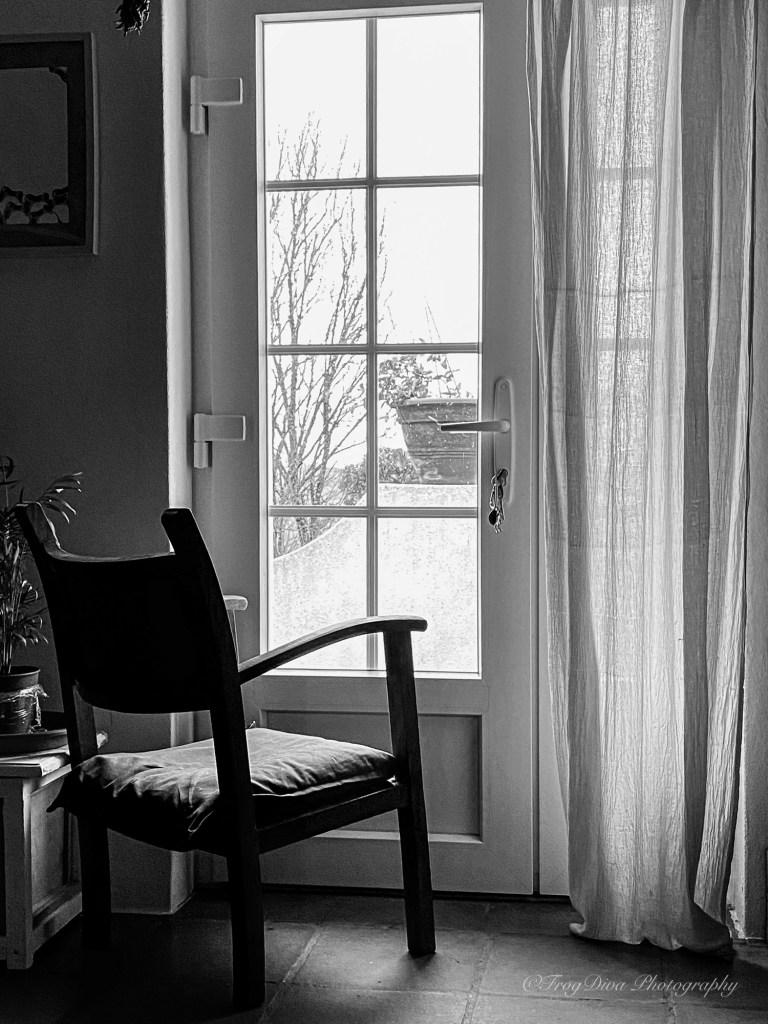
The Meditation of the Empty Chair
During my senior year at the Ateneo we went on retreat and learned the Meditation of the Empty Chair. Little did I know that it was a tool that I would resort to many times over, not only during future Jesuit retreats, but in dealing with grief, anger, and the. Inability to speak my mind. It’s a powerful tool for emotional release, healing, and reconciliation—not just with others, but with yourself.
- Find a quiet space where you can sit undisturbed.
- Place an empty chair in front of you.
- Imagine that your past self—your younger, more vulnerable self—is sitting in that chair. Visualise this version of you as clearly as possible. See the mistakes, the regrets, the fears, the moments of pain.
- Now, speak to that version of yourself. Tell her what she needs to hear: “I forgive you. You did the best you could. I understand now that every mistake was part of the process. You are worthy of love and compassion.”
- Sit in silence for a few moments. Allow yourself to feel the weight of your own forgiveness.
The empty chair meditation helps you face yourself with compassion. It allows you to release the anger, shame, or self-judgment you’ve been holding onto. It lets you embrace your humanity—flaws, mistakes, and all—and finally let go of the past so you can step into the future. There will be moments in life when you will place someone else in that chair, perhaps a person you passed on before you could reconcile with, or forgive. The original version I learned was to imagine Jesus or Mary sitting in the chair, waiting to hear all about your problems and heart aches. Yes, it is part of the Spiritual Exercises of St. Ignatius, which means it both prayer and meditation.
At the end of the day, the most important lesson is that you are not defined by your mistakes. Your mistakes are simply stepping stones on your journey—ones that have made you stronger, wiser, and more capable of embracing the life you want. So, take a deep breath, look in the mirror, and remember: You are worthy of the future you dream of.
 FrogDiva Thoughts