

My earliest memory of a garden takes me back to Thika, Kenya, where I followed my mother around the family garden while she inspected vegetables and flowers. She maintained a thriving vegetable patch and a flower garden filled with calla lilies so prolific that fresh blooms found their way to church every Sunday. The garden was beautiful, productive, and seemingly effortless.
Of course, there was a small detail. I grew up as a privileged expat child. We had gardeners. The gardeners did the digging, pruning, weeding, watering, planting, feeding, and rescuing. I supplied opinions. I knew what I liked. I knew what a beautiful garden should look like. I could identify flowers and admire vegetables. What I could not do was actually grow any of them. This distinction would become important later.
Fast forward to 2017. I was living alone in Berlin and renting an apartment with a wonderful sunroom. Looking at that bright, sunny space, I naturally concluded that I was destined to become a horticultural genius. Within weeks I had transformed the room into what can only be described as a small botanical experiment. Some plants thrived, some survived, and some entered a witness protection programme from which they never returned.
Like many novice gardeners, I approached plant care with enormous enthusiasm and only a passing acquaintance with actual knowledge. Every yellow leaf triggered panic. Every new shoot inspired unrealistic expectations. Every plant death was followed by an immediate replacement because clearly the problem had been the plant.
The Berlin conservatory years were made considerably easier by Cherry and Lolita, two senior rescue Persian cats whose interest in horticulture was precisely zero. Cherry regarded most activities with the detached tolerance of a retired headmistress. Plants could grow, wilt, flower, collapse, recover, or spontaneously relocate and she would not have considered any of it worthy of comment. Her priorities were clear: comfortable furniture, predictable meals, and uninterrupted naps.
Lolita operated on a slightly different wavelength. By then she was already showing signs of feline dementia and spent her days wandering cheerfully through life as though she had misplaced both the question and the answer. A sunbeam was an adventure. A nap was a successful outcome. The occasional appearance of her tongue suggested she had reached a level of enlightenment unavailable to the rest of us.
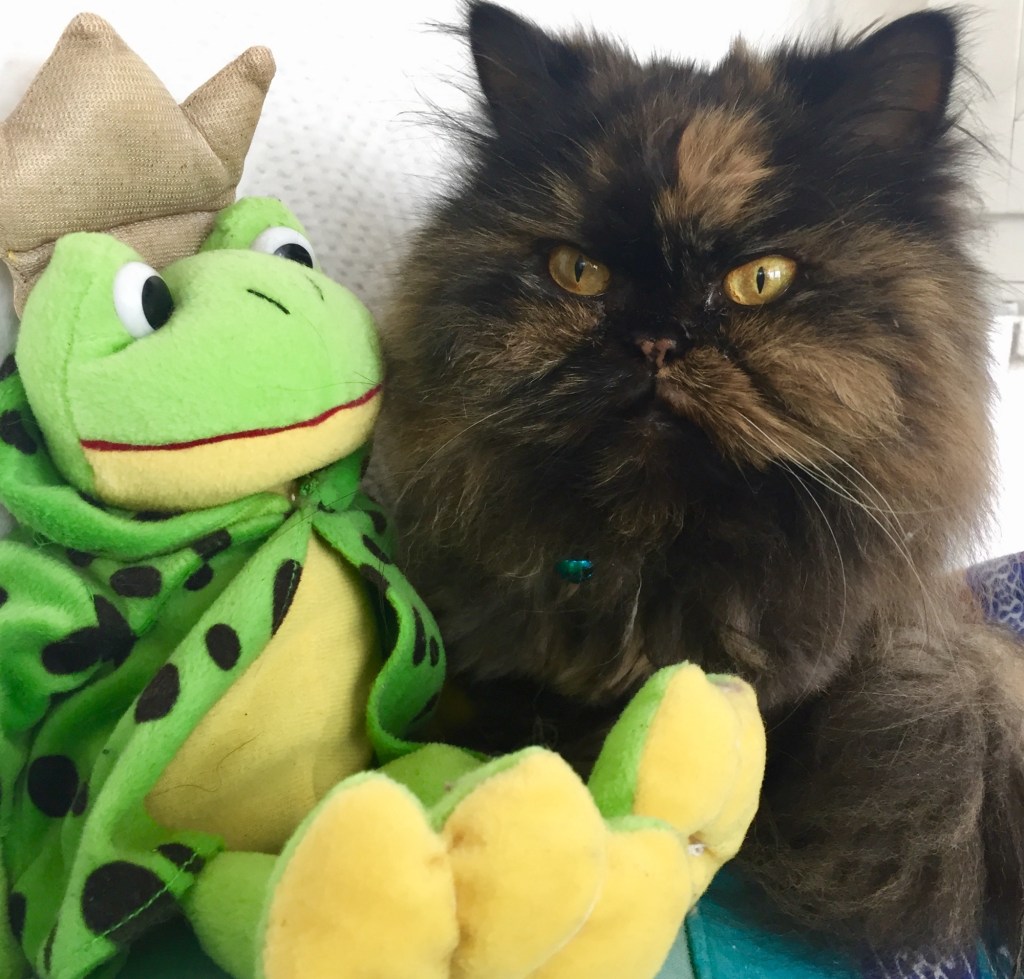

Neither cat showed the slightest interest in gardening. They did not dig, supervise, inspect seedlings, conduct unauthorised soil quality assessments, or sit on newly repotted plants. They considered the entire enterprise beneath them. Cherry’s expression generally suggested, “I fail to see what any of this has to do with me,” while Lolita wasn’t entirely certain what was happening but seemed reasonably confident it could wait until after her next nap. In hindsight, this arrangement was ideal.
Years later, after moving to the Frobbit House beneath the windmills, something unexpected happened. The plants started winning.
Perhaps it was the Portuguese sunshine. Perhaps it was experience. Perhaps enough plants had sacrificed themselves over the years to finally teach me a few lessons. Whatever the reason, the house slowly became occupied by an increasingly confident collection of green residents. The aloe rehabilitation programme exceeded all expectations. The jade family expanded their empire. The Bird of Paradise escaped the confines of its pot and immediately behaved as though it had been liberated from prison after serving an unjust sentence. Avocados appeared on windowsills. Cuttings multiplied in jars. Plants arrived, divided, propagated, and somehow acquired permanent residency.
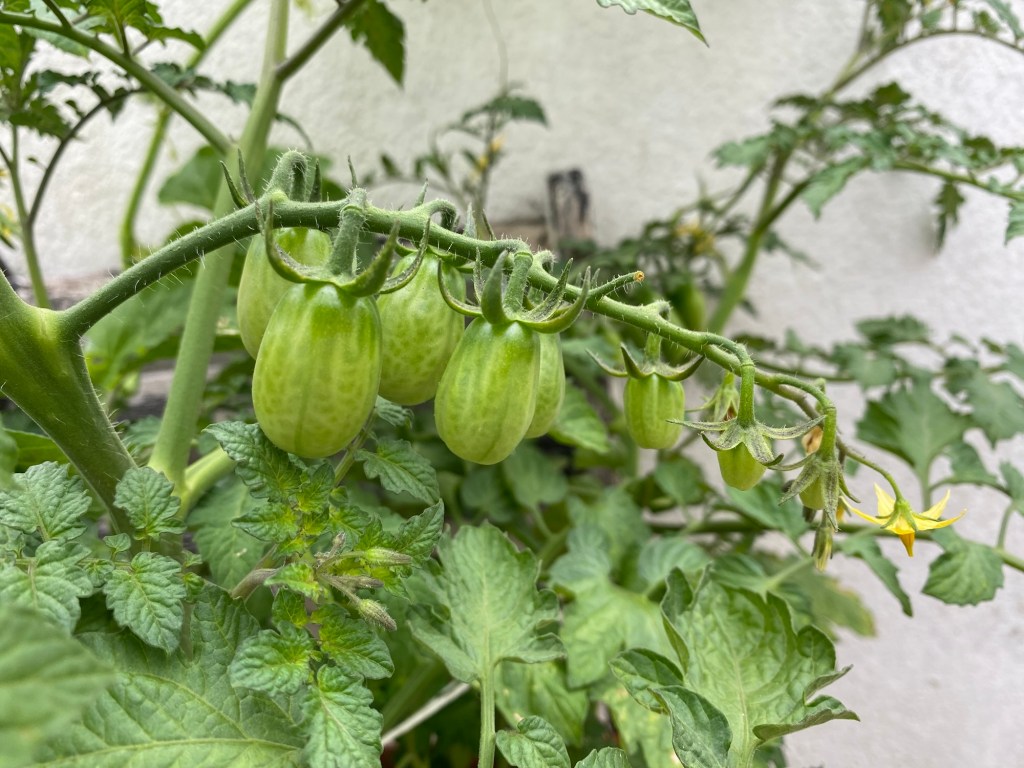
Then came the Tomato Brigade. Not ordinary tomatoes, of course. These are cherry tomatoes, those wonderfully enthusiastic little plants that produce dozens of sweet, bite-sized fruits while simultaneously convincing gardeners that inspecting them six times a day constitutes normal behaviour. Every morning began with a patrol of the tomato ranks. New flowers were celebrated. Tiny green tomatoes are photographed. Ripening fruit is the subject of detailed progress reports that nobody outside the gardening community would consider remotely interesting. The remarkable thing is that gardeners understand every word of that sentence.
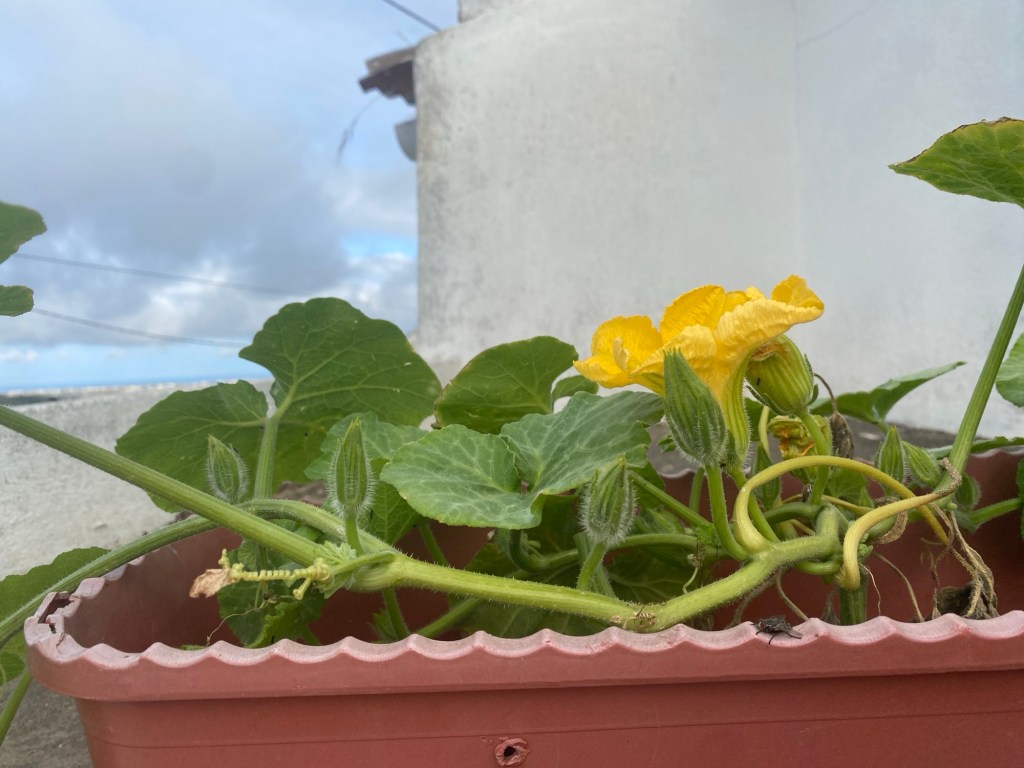
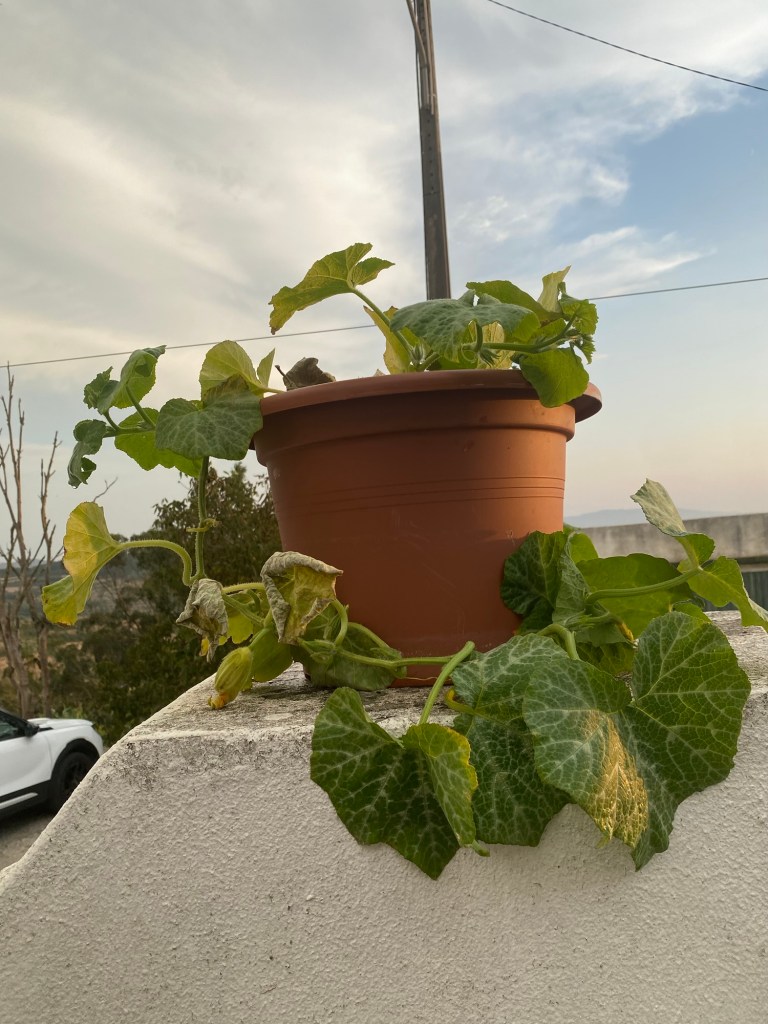
The Sashsquash Brigade followed next. For those unfamiliar with butternut squash, imagine a pumpkin with superior culinary credentials, excellent manners on the dinner plate, and absolutely no respect for personal space in the garden. A butternut squash begins life looking innocent enough, with a few leaves, a modest vine, and nothing remotely alarming about its appearance. This phase is merely a deception.
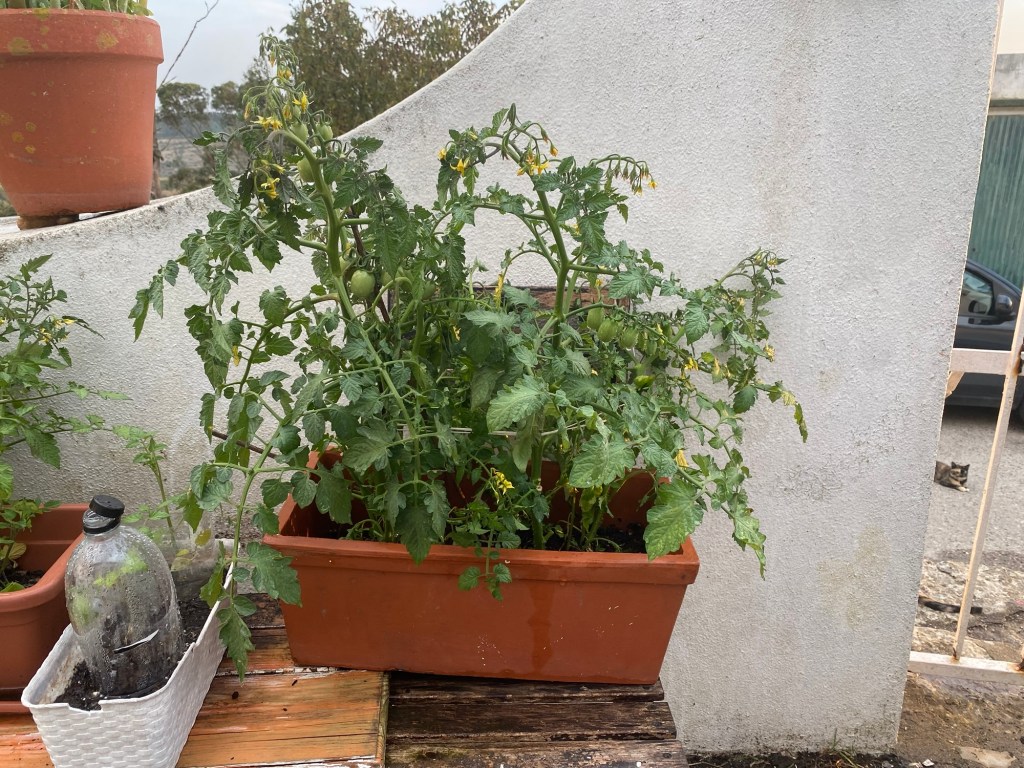

What began as a handful of promising seedlings rapidly evolved into a full-scale territorial expansion campaign. Leaves reached improbable dimensions. Tendrils advanced into neighbouring jurisdictions. Growth became measurable in hours rather than weeks. Every morning revealed another attempted annexation of the patio. At some point I stopped growing squash and started negotiating with it.

The situation was not helped by the Orange Squadron. Portugal introduced me to a very different feline management style. The Orange Squadron possesses such deep country roots that they should be carrying fiddles, banjos, and family recipes for pickled vegetables. These are not urban cats. These are agricultural consultants.
Every garden project automatically acquires a supervisory committee. Planting holes are inspected. Freshly turned soil is tested for comfort. Seedlings receive unsolicited quality control reviews. Watering schedules attract observers. Wheelbarrows become temporary lounges. Nobody actually asked for assistance, yet assistance arrives anyway.
The Orange Squadron appears firmly convinced that all gardening activities require close feline oversight. Their contribution to fertilisation is occasionally significant. Their contribution to supervision is relentless. No tomato can ripen without inspection. No squash leaf can emerge without committee review. No gardening tool can be left unattended without attracting a cat determined to sit on it.
The tomatoes seem mildly amused by the arrangement. The squash interprets it as an opportunity for further expansion.
Looking back, the child following her mother through the gardens of Thika could never have imagined that one day she would be conducting dawn inspections of cherry tomatoes, negotiating territorial boundaries with butternut squash, and managing a supervisory committee of orange agricultural consultants whose qualifications consist primarily of enthusiasm, napping, and occasional contributions to soil fertility.
The gardeners of my childhood would probably find this highly amusing. Then again, they would probably approve of the tomatoes. The squash remains a matter of debate.
After all these years, one truth has become clear. Gardening is not really about plants. It is about optimism. Every seed, every cutting, every repotted plant is a tiny act of faith that tomorrow might be greener than today. Some things flourish, some fail, and some surprise you entirely. The gardener’s job is simply to create the conditions, remain hopeful, and occasionally prevent a butternut squash from conquering neighbouring territories.
The tomatoes seem to agree. The squash, meanwhile, is still plotting world domination under the watchful eye of the Orange Squadron.
Related blogs:

