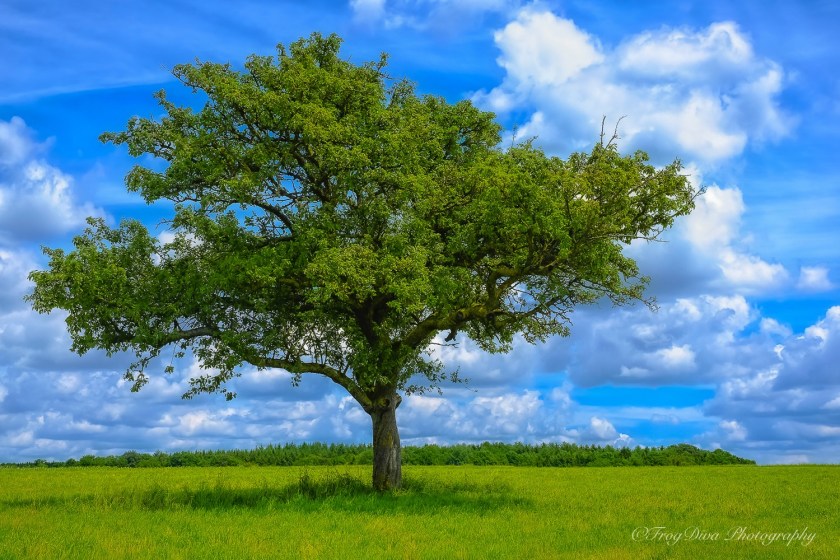
If you could transform into a plant, what would you be? Naturally, I approached this question with all the seriousness such an important life decision deserves. After careful consideration, I have decided that if a frog were ever to become a tree, it should be a large apple tree standing alone in the middle of a field. Not because I dislike company. I simply prefer company to arrive by invitation.
A respectable amount of personal space would be appreciated. No crowded orchards. No hedge gossip. No neighbouring shrubs peering over the property line to discuss soil conditions, rainfall statistics, and whether anyone has noticed a slight yellowing of the leaves this season. One magnificent apple tree standing comfortably in the middle of a field sounds about right.
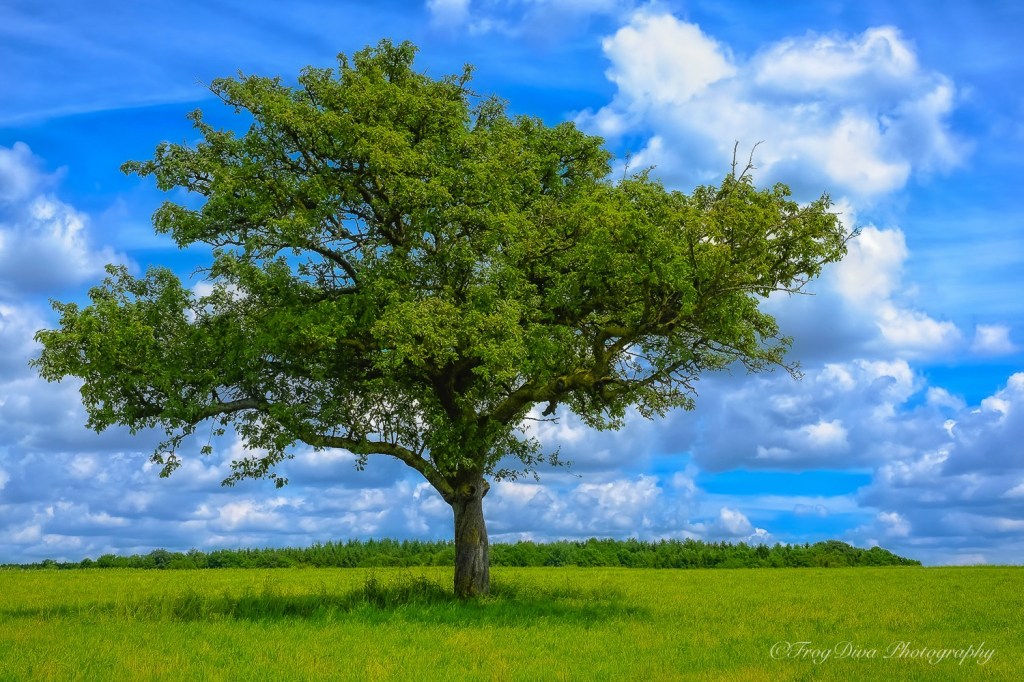
My ideal existence would involve providing shade on hot summer afternoons, offering sturdy branches to anyone needing a quiet place to sit and think, and producing apples without making a big fuss about it. Birds would be welcome, even though their endless committee meetings would occasionally test my patience. A cat or two could move in whenever they pleased. Every tree should have at least one resident cat. It feels like a regulation that ought to exist.
The owl remains a point of negotiation. There is always an owl. Every tree eventually attracts a wise old owl determined to share unsolicited observations about life, weather patterns, economic trends, migration routes, and poor decision-making. Do I have to host the owl? Is there an exemption form? My upper branches would be reserved for quiet contemplation and would remain conveniently out of reach of most farm animals, significantly reducing the likelihood of random goats arriving to eat my leaves and critique my life choices.
An apple tree also has an impressive résumé, making a substantial contribution to the circle of life. Apples become pies, cakes, jams, crumbles, strudels, cider, and the occasional salad for people pretending to be healthy. They appear in lunchboxes, picnic baskets, village fêtes, family gatherings, and holiday tables. They are exchanged between neighbours, delivered to friends, and occasionally deployed as strategic bribes for teachers. Few fruits have contributed more to domestic diplomacy.
Unlike certain ornamental plants, an apple tree earns its keep. Beauty is all very well, but beauty plus dessert feels like a stronger life strategy.
Another advantage of being an apple tree is the opportunity to address a long-standing injustice. Every spring, society loses its collective mind over cherry blossoms. There are cherry blossom festivals, cherry blossom photographs, cherry blossom calendars, cherry blossom scented candles, cherry blossom tea towels, and probably cherry blossom commemorative spoons somewhere. For approximately two weeks each year, grown adults behave as though flowering trees have just been invented.
Meanwhile, apple blossoms stand quietly nearby looking absolutely magnificent and receiving only a fraction of the attention.
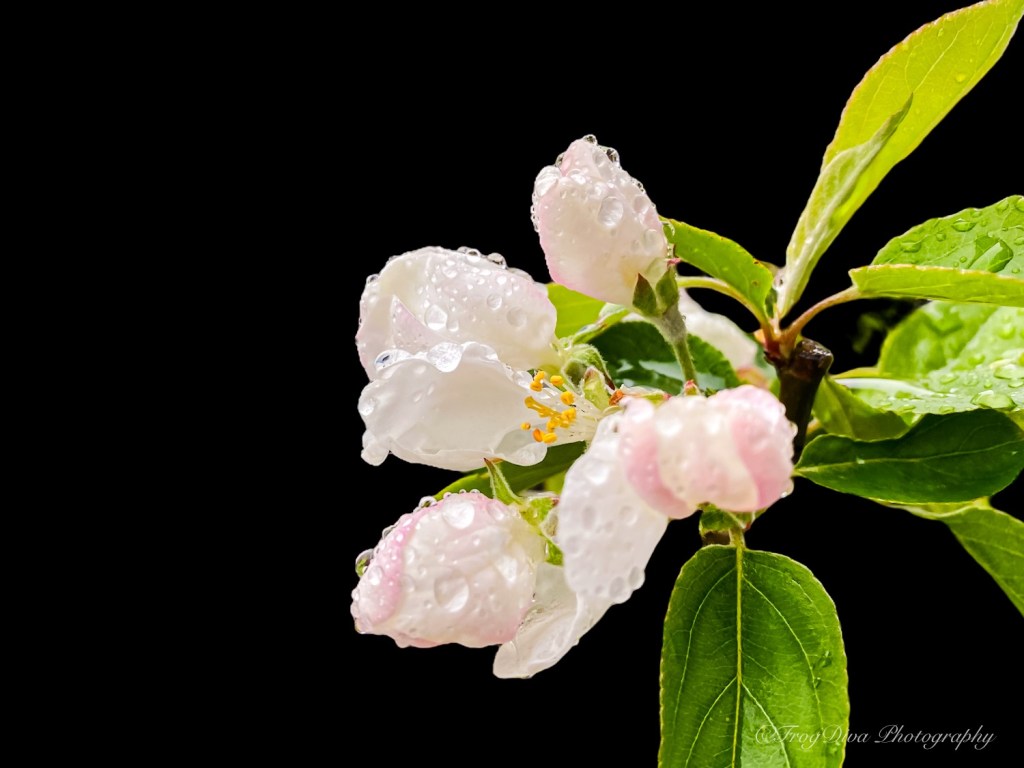
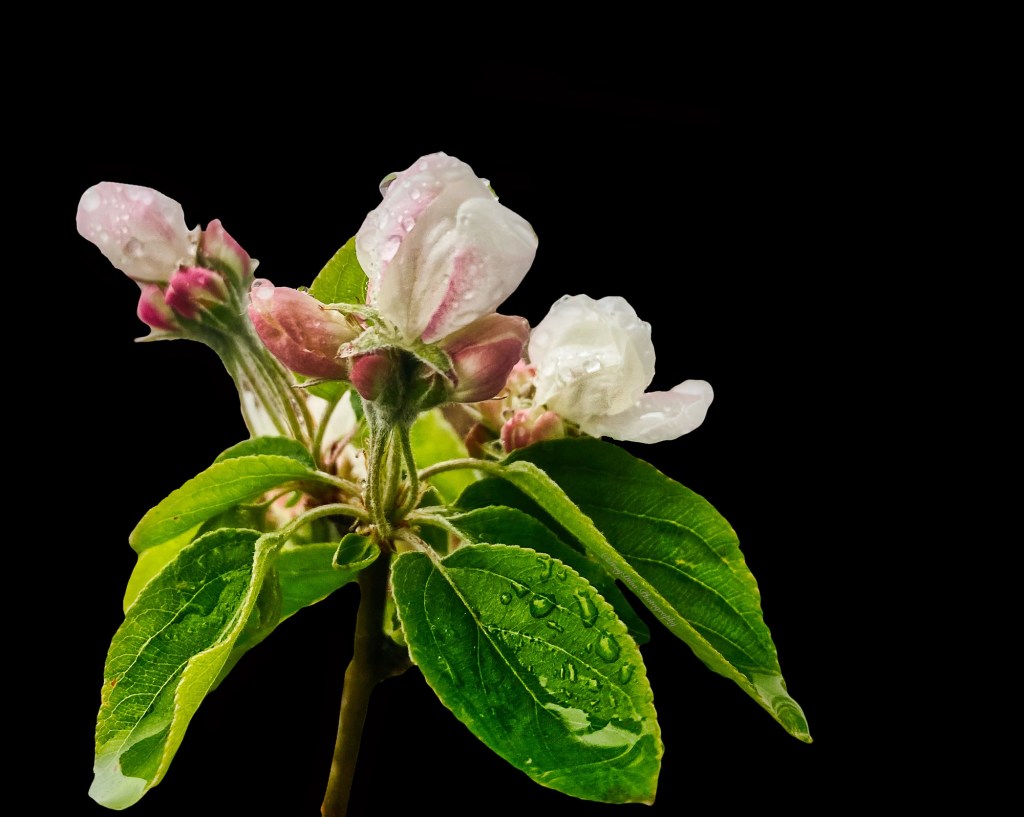
Anyone who has actually seen an apple blossom knows this imbalance is difficult to justify. Delicate pink buds unfold into elegant white petals with the quiet confidence of a flower that knows it will eventually become pie. Cherry blossoms provide a brief photo opportunity. Apple blossoms deliver beauty, followed by apples, followed by cakes, jams, cider, tarts, crumbles, strudels, and enough baked goods to improve diplomatic relations between neighbouring villages.
Apple blossoms are the overachievers of the flowering world. They arrive looking like debutantes attending a spring ball and leave behind enough fruit to sustain an entire bake sale season. Cherry blossoms peak early and retire. Apple blossoms finish the job.
The apple’s cultural contribution should not be overlooked either. The Book of Genesis never actually identifies the fruit from the Tree of Knowledge, yet history eventually surveyed the entire produce aisle and collectively decided that it was probably an apple. Frankly, this was an excellent branding decision.
Of all the fruits available, the apple became the enduring symbol of temptation, knowledge, curiosity, consequence, and occasionally New York City. That level of market penetration should be studied in business schools.
The choice makes a certain amount of sense. An orange would have altered the story considerably. Humanity might have been expelled from Paradise carrying a healthy dose of vitamin C and a recommendation to stay hydrated. A lemon would have been worse. One bite, a puckered expression, and the serpent would have spent the rest of eternity insisting, “No, honestly, it gets better after the third bite.” A banana introduces an entirely different set of theological questions, none of which the Church appears eager to discuss.
The apple, by contrast, possesses exactly the right combination of elegance, symbolism, and dramatic flair. It looks innocent enough to be trusted, interesting enough to be irresistible, and photogenic enough to secure several thousand years of favourable press coverage. If any fruit was destined to become the star of humanity’s origin story, it was always going to be the apple.
Perhaps that is why apple trees seem to carry themselves with such quiet confidence every spring. They know they are beautiful. They know they are useful. They know they have contributed pies, cakes, jams, cider, strudel, and several thousand years of symbolism to human civilisation. Cherry blossoms may enjoy better publicity. Apple trees, however, have substance, legacy, and dessert.
For all those reasons, an apple tree remains the obvious choice. It offers shelter without demanding attention, provides something useful to the world, welcomes visitors without requiring constant company, and stands firmly rooted while the seasons come and go. A cat seeking a quiet place to nap would always be welcome, while the owl would probably be tolerated provided the lectures remained brief and preferably uninvited. It is a life with deep roots, a healthy amount of solitude, plenty of room to grow, and enough generosity to share both shade and apples with those who happen to pass by.
If a frog were ever to become a tree, an apple tree standing comfortably in the middle of a field sounds exactly right.

