
As I sipped my orange juice that morning, I found myself reflecting on a question I had been asked ever since sharing my plans for my rather unconventional route home: why choose such a complicated journey?
The simple answer was that I had the time and wanted to witness what might emerge from travelling on the smallest possible budget. Every writer is in constant pursuit of new horizons and fresh material, and this quest certainly didn’t disappoint.
It was during my final evening in Cornwall that someone offered a different perspective.
“That,” they said, “is the true meaning of travel.”
The remark stayed with me because, somewhere along the way, we have become remarkably good at getting from A to B. Flights are booked, trains are timed to the minute and connections are optimised. Travel itself has quietly become a logistical inconvenience to minimise rather than an experience to embrace.
Choosing the coach over another flight was never something I regretted. This was a part of Spain I had never travelled through before, and there is something deeply satisfying about watching a country unfold at ground level instead of soaring over it. The countryside wore the unmistakable colours of a Mediterranean summer. Yes, it was dry after months of drought and devastating wildfires, yet that did little to diminish its beauty. Olive groves rolled across the hillsides, villages emerged almost organically from the earth, and whitewashed buildings seemed perfectly at home beneath the relentless blue sky.
By the time the coach finally rolled out of Madrid, it felt as though the travel gods had reviewed the previous twenty-four hours, exchanged a knowing glance and decided I had earned a few small mercies. There was no seat mate, no crying toddler, no persistent cougher beside me like on yesterday’s flight, and even the air conditioning worked exactly as it should. When roadworks appeared ahead, slowing traffic to a crawl, I found myself quietly celebrating. Travelling has a curious way of changing priorities, and every delay now meant another few precious minutes of uninterrupted sleep.
While some people weave through traffic, I spent the afternoon weaving through Wi-Fi signals instead: wake up, check the phone, discover there was no signal, or worse, Edge pretending to be useful, then drift back to sleep. Repeat. It became the rhythm of the trip and suited the unhurried pace of the coach.
The passengers, meanwhile, provided a steady stream of entertainment. Across the aisle, one woman had achieved a level of comfort most travellers only dream about. Fast asleep, she rested with one leg stretched elegantly across the table in front of her as though relaxing in her own living room. Opposite her sat her husband, quietly contemplating several decades’ worth of life choices. He wasn’t annoyed or particularly exasperated. He simply wore the expression of a man who had accepted that this particular battle was one he would never win.
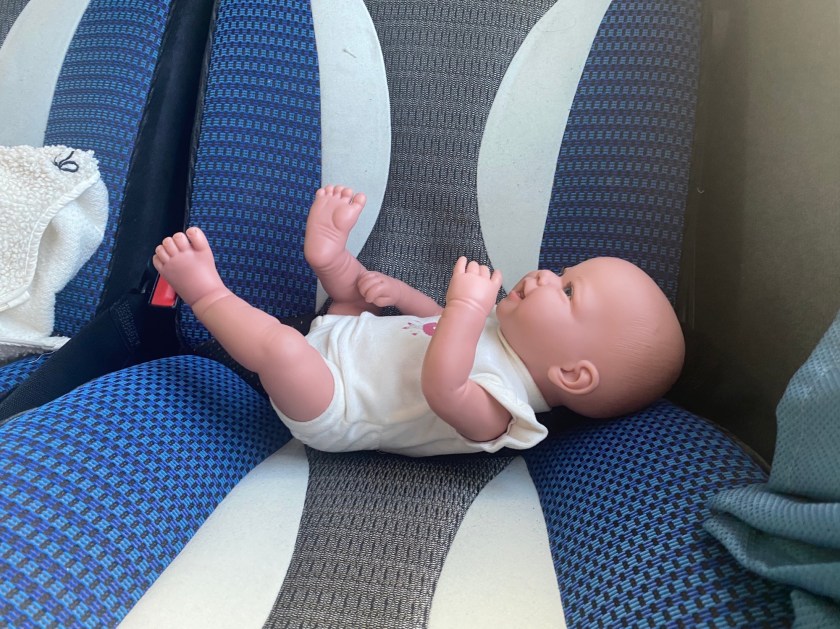
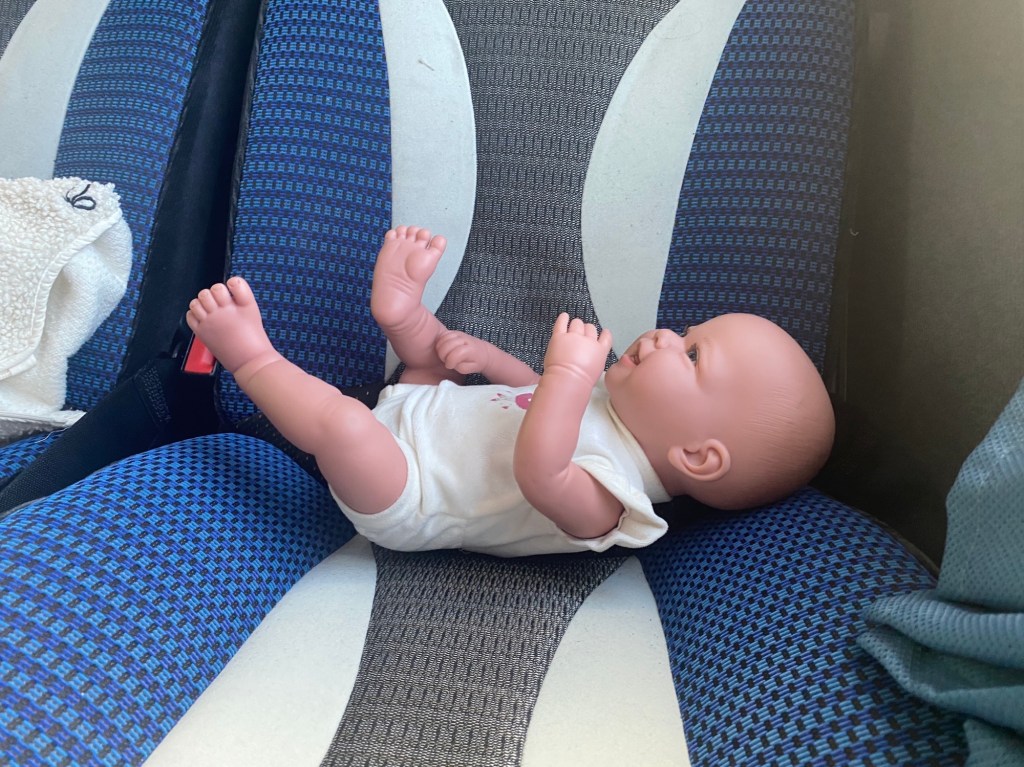
Earlier, another passenger wearing a Spanish football shirt unintentionally provided one of the day’s most memorable moments. While searching for the toilet, he almost stumbled over what appeared to be an unattended baby lying in the middle of the coach aisle. His expression shifted instantly from surprise to genuine concern before he realised the “baby” was, in fact, a remarkably lifelike reborn doll belonging to a little girl travelling with her family. Relief dissolved into laughter as he exclaimed, “¡Qué maravilla!” It was over in seconds, yet somehow became one of those wonderfully human encounters that stay with you long after the trip itself has faded.
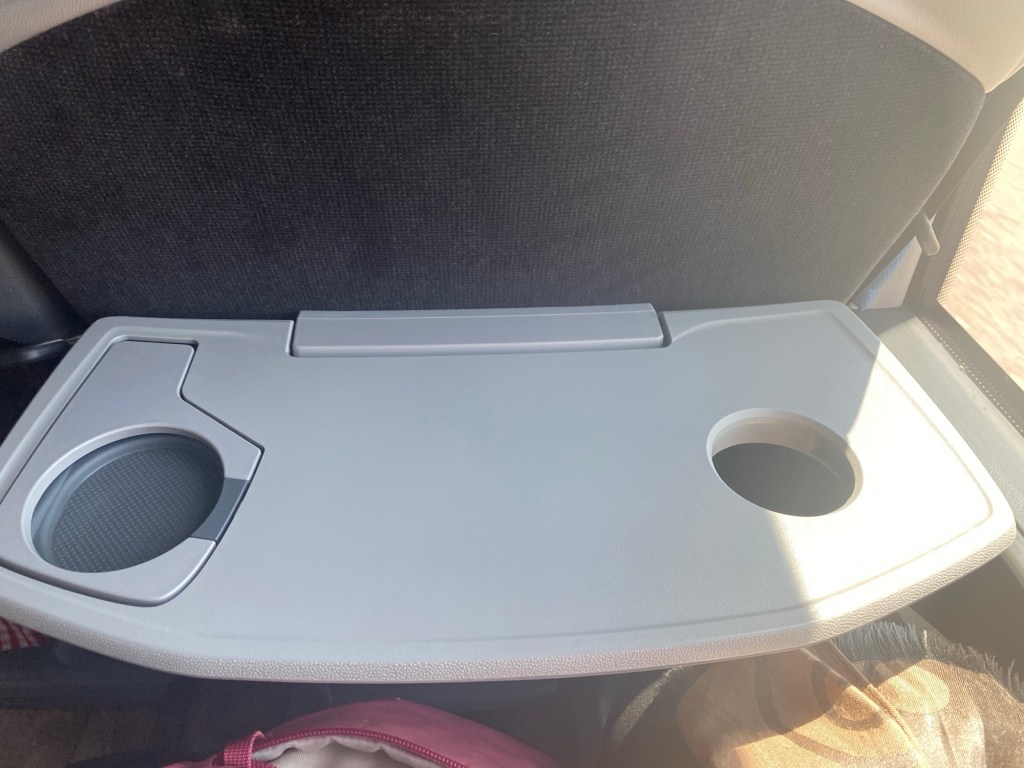
Not every mystery on board involved the passengers. For most of the trip, I remained convinced someone had designed the world’s least practical bottle holder. One oversized recess, one tiny one, neither of which seemed capable of holding anything particularly well. One simple demonstration from the passenger opposite transformed the designer from incompetent to ingenious. I silently thanked my accidental instructor and, naturally, pretended I had understood the mechanism all along. Long journeys are full of these tiny lessons; sometimes the greatest wisdom comes simply from watching the person sitting opposite.
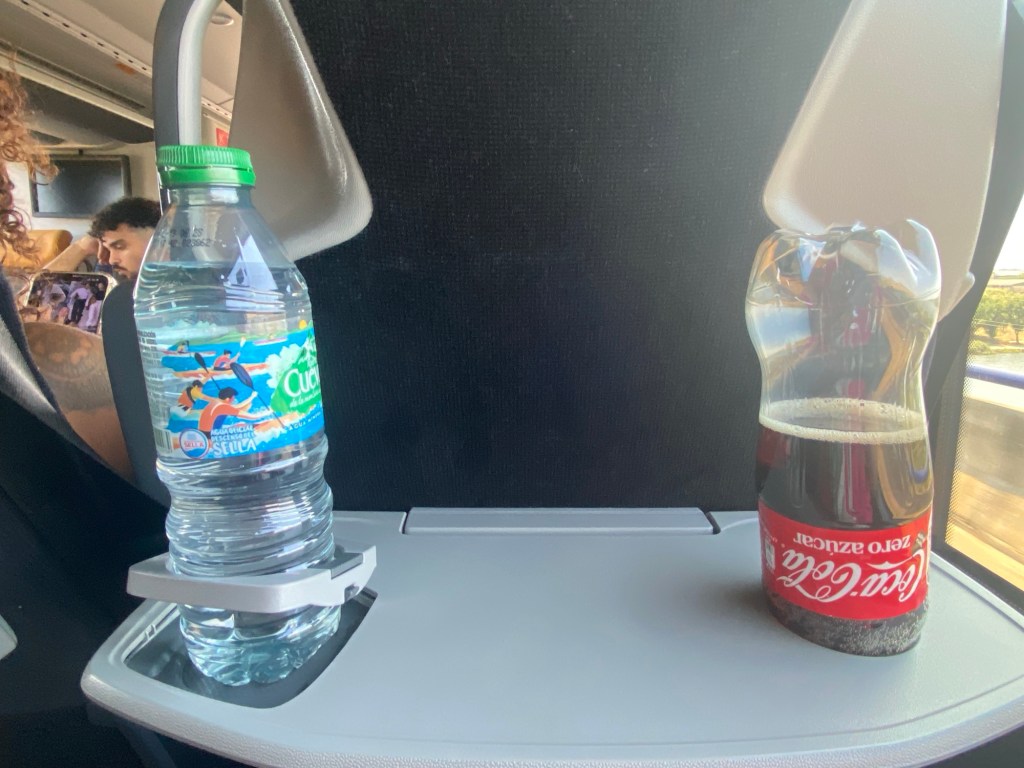
Watching those small interactions, it struck me that none of them had appeared on the itinerary. The airport sleepover in Madrid, the coach driver whose announcements never quite reached a conclusion, the football supporter nearly coming to the rescue of a reborn doll, the husband silently contemplating his wife’s sleeping arrangements, and the stranger who unknowingly revealed the secret of the mysterious bottle holder had never been part of the plan. Together, they had become the journey.
Modern travel is undeniably convenient. As an EU citizen, I simply looked into a camera, watched the ePassport gates slide open and continued on my way. There were no queues, no conversations and no reassuring thump of another immigration stamp finding its place inside my passport. Yet there is something faintly nostalgic about losing those little inked reminders of where we have been. A passport once became a travel diary in its own right, making it all the more important to document our journeys ourselves. If passports no longer collect the stamps, then we must collect the stories instead: the funny encounters, the unexpected detours, the landscapes glimpsed through a coach window, and the people we will never meet again, yet somehow never forget.
As the coach approached Badajoz, the Spanish landscape that had kept me company throughout the afternoon quietly prepared to hand me back to Portugal. Somewhere ahead, almost unnoticed, an invisible line separated two countries. It felt like the perfect place to close one chapter before beginning the next. Spain had been generous with its scenery, its people and its stories. The passport remained unstamped, yet the notebook certainly didn’t.
Related blogs:

