
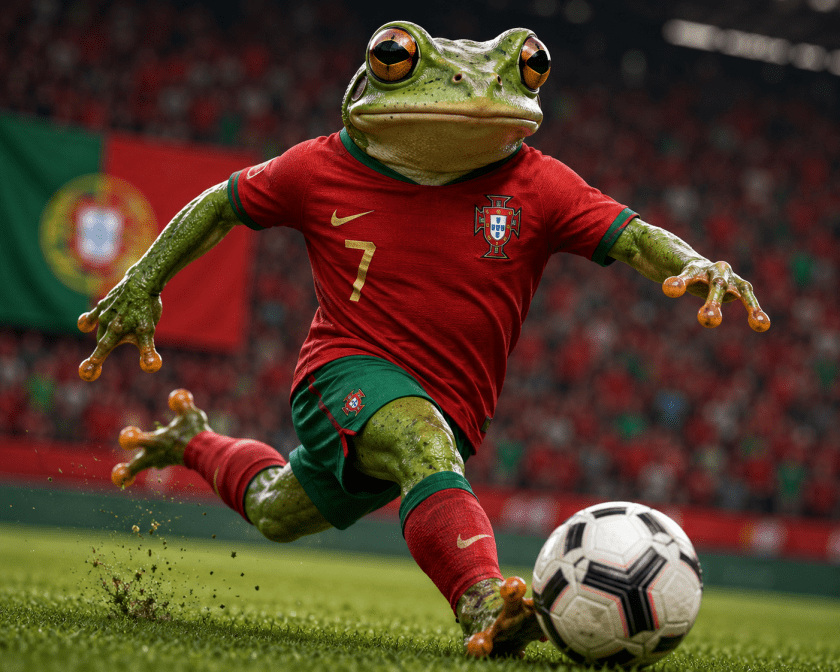
Every four years, I become a football fan and couch coach. Not a proper football person, obviously. I don’t spend my weekends analysing tactical formations or arguing about refereeing decisions online. For most of the year, football exists somewhere in the background of my consciousness, alongside weather forecasts and celebrity gossip.
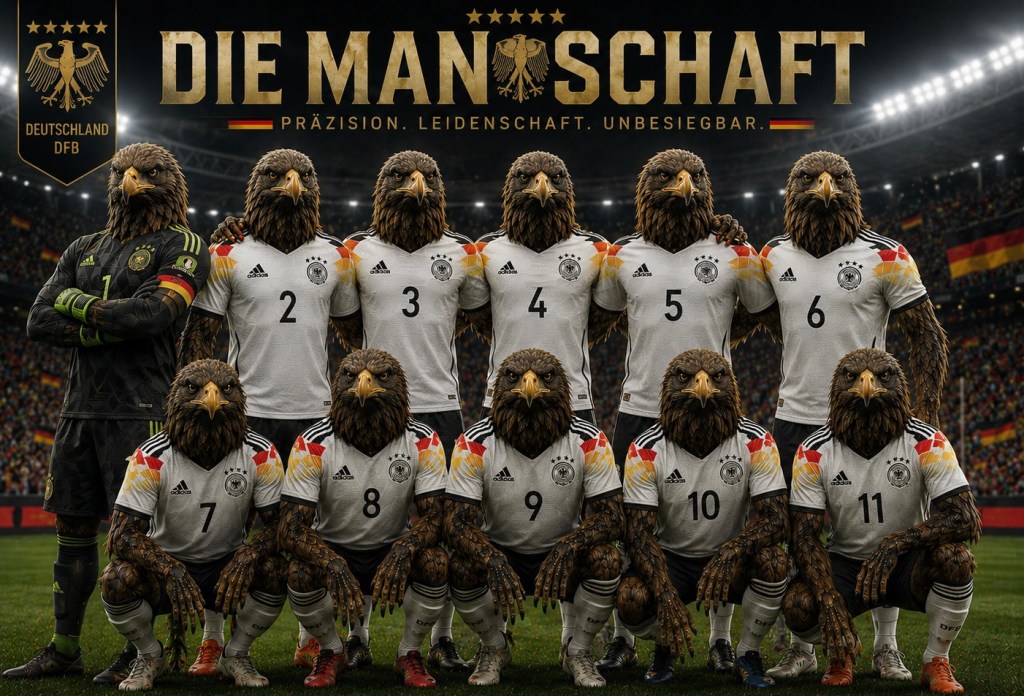
Then the World Cup arrives and suddenly I have opinions. As a German abroad, I find myself unexpectedly loyal to the national team (especially after yesterday’s 7:1 win against Curaçao’s historic debut in a World Cup). Germans tend to approach displays of national pride with understandable caution, but put eleven players in white shirts on a World Cup pitch and I immediately develop expectations, emotional investment, and a remarkable capacity for disappointment.
Perhaps this is an expat thing. Distance has a habit of turning ordinary things into symbols of home. The national team becomes less about football and more about identity, nostalgia, and belonging.
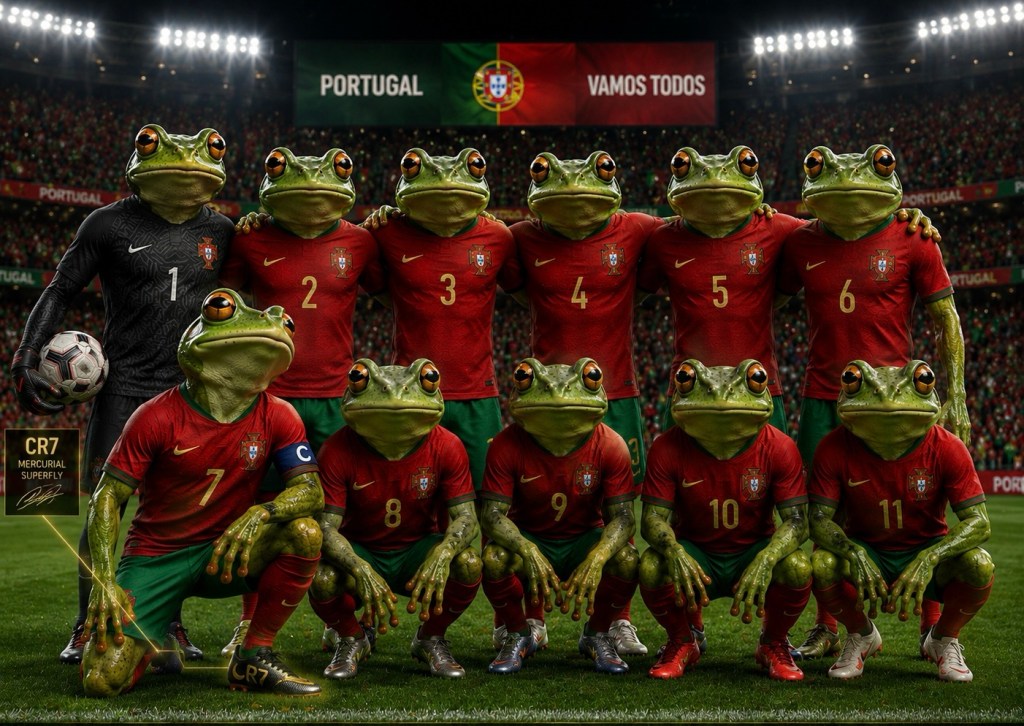
Living in Portugal only adds to the experience. If Germany isn’t playing, I’ll happily support Portugal. In fact, I envy the Portuguese relationship with their national team. The enthusiasm is contagious, the loyalty unwavering, and nobody seems remotely embarrassed about caring deeply. Whatever happens, they are all in.
This year I took the unprecedented step of downloading the FIFA app. For someone who normally treats football as background noise, this represents a level of commitment usually reserved for major life decisions.
I now receive notifications, check group tables, and occasionally mutter things like, “That’s a favourable draw,” as though I have spent months studying international football rather than discovering half the squads last Tuesday.
I even watch matches via VPN (time difference permitting) and have developed surprisingly strong preferences about commentary teams. Given the choice, I’ll happily tune into Swiss or Scottish coverage, where the commentators seem genuinely pleased to be there, have an effortless sense of humour, and are still capable of experiencing joy. German broadcasts, by contrast, often sound as though the national team has personally disappointed them before kick-off. Even a comfortable victory can become an opportunity to discuss everything that went wrong.
The World Cup 2026 is hosted by the United States, Canada, and Mexico, which should make for an entertaining cultural contrast. Mexico will undoubtedly be emotionally prepared. In fact, growing up there is where I first learned to care about football at all. The United States and Canada may still be explaining to visitors why the sport is called soccer. Meanwhile, I will be sitting on my sofa pretending I understand goal differentials because there are limits.
I draw the line at public viewing. Giant screens, packed squares, painted faces, and the collective emotional rollercoaster of several hundred strangers are simply not for me. I admire public viewing the way I admire marathons: as an activity other people seem to enjoy immensely.
My ideal World Cup experience is considerably simpler. A comfortable sofa, a drink within reach, and just enough football knowledge to confidently misunderstand what is happening.
For one glorious month I care about group standings, tournament brackets, and refereeing decisions. Then the final whistle blows, the trophy is lifted, and I quietly return to my natural state of football indifference … Until the next World Cup, at which point I will almost certainly download another app.
Related Blogs:
FIFA World Cup 2022 is finished… can we go back to Christmas now?
June 27, 2018: The Day Berlín Fell Silent
In case you missed it:
The Artisanal Procrastination Dialogues

