
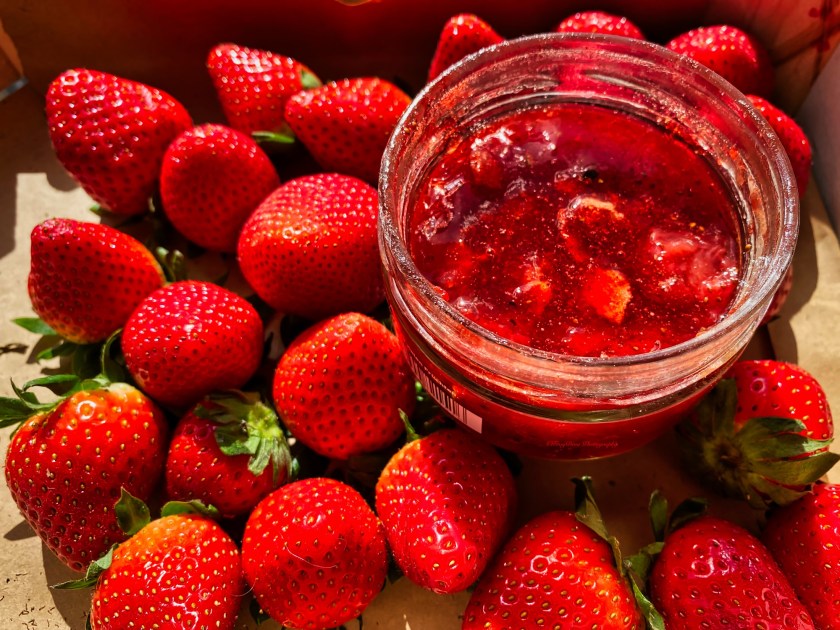
Ah, strawberry season—that glorious, slightly chaotic time when farmer’s markets turn into fruit-themed catwalks, and everyone you know suddenly becomes a pastry influencer. But beyond the tarts and the smoothies lies a sultry, surprising history. Because dear reader, strawberries are not just sweet—they’re scandalous.
This luscious fruit has played a major part in my life, but not in the way I am about to write about. My father used to work in food canning and every strawberry season he would come home every other day with a crate of strawberries for freezing, baking or just plain old snacking. As a result, I arew up with a very discerning palate when it comes to strawberry jam and other strawberry byproducts, and no matter what country I lived in, there was always a strawberry season to look forward to.
Let me ask you this though. How much do you really know about this exotic erotic fruit? They have gone from an innocent gift of nature to a symbol of seduction. But how did that even happen? Well, before they were sunbathing on panna cotta or getting slathered in chocolate at awkward Valentine’s dinners, strawberries were wild things — literally – and have been around since the Stone Age or even Creation, but Europeans didn’t really start paying attention until the Middle Ages. Back then, the strawberry had a surprisingly wholesome PR campaign, thanks to the venerable monks who praised its perfection, talented medieval artists who painstakingly carved it into altars as a symbol of purity, and somewhere, a nun probably grew one in her cloister garden and whispered, “Bless.” They were basically the fruit version of a hymnal; quiet, devout, and just here to serve the Lord in the breaking of the bread.

But oh, how the strawberry shed its modest roots going from monastery life to moan-astery! By the time the Renaissance rolled us all around in bed, the fruit started making increasingly steamy appearances in paintings, literature, and eventually, your dreams. With its heart-like shape, blood-red hue, and juicy bite, it was inevitable that the strawberry became ripe for symbolism. It wasn’t long before it stopped representing purity and started standing in for, well… everything else. When writers used it as a metaphor for temptation and painters nestled it delicately between the lips of their subjects, the strawberry transcended into 50 Shades of Anything, starting with a wink across the table. Not even the church couldn’t save it now.
Strawberries emerged from the red districts of Europe and had a scientific glow-up in the 18th century, when French explorers brought home a large, plump strawberry variety from Chile. Problem: it was sterile. Solution: instigate a blind date next to a North American variety with a little more… spunk. Nature did the rest. The two got cozy and sassy in the garden, crossbred, and thus the modern garden strawberry was born—juicier, redder, and ready to seduce all over again.
Of course France ran with it! Suddenly strawberries were the fruit of choice for the fashionable and the flirtatious. Madame Tallien, a socialite and one-time member of Napoleon’s inner circle, was said to bathe in strawberries to maintain her radiant skin. (We assume the peasants were… thrilled by this news.)
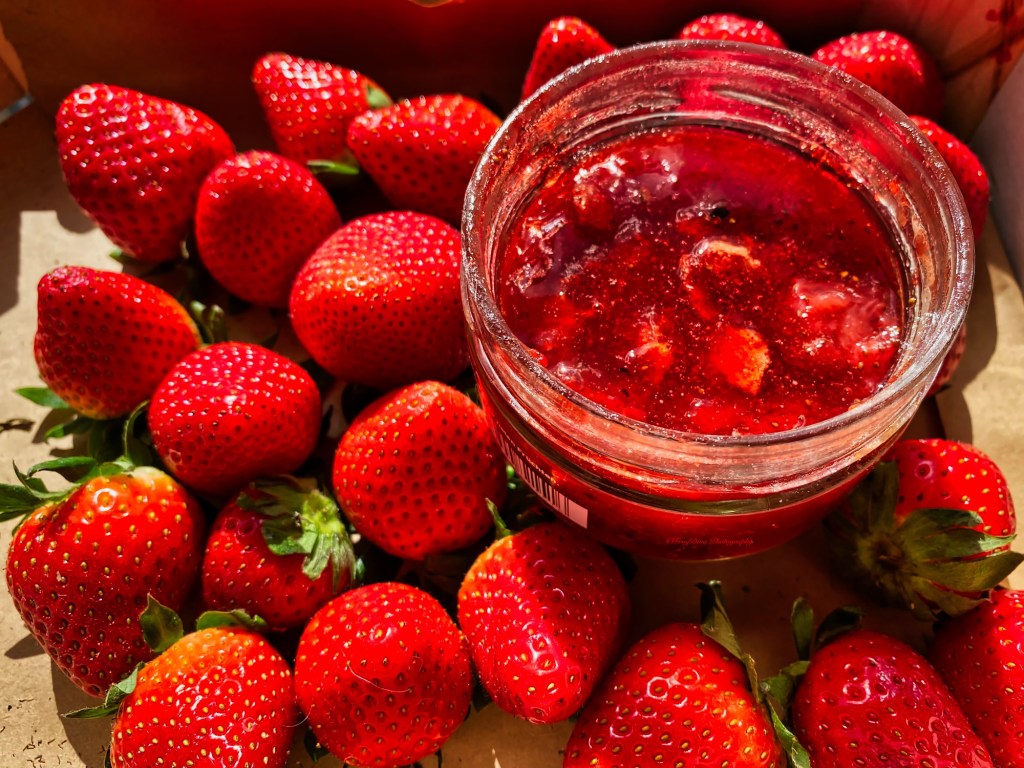
But while the French were playing matchmaker, Portugal was giving strawberries the Mediterranean spa treatment. The fruit likely arrived there during the Age of Discoveries, smuggled in among exotic plants by botanists and seafarers returning from the Americas. The climate was perfect—mild winters, sun-kissed summers, and soil just moist enough to make a strawberry blush. By the 19th century, they’d become a staple in Portuguese gardens and cuisine. Today, they’re in everything from batidos (smoothies) to summer sangrias, lounging in your glass like they know they’re the star.
Every June, Europeans unite in a frenzy of jam-making, tart-baking, and cream-dolloping like it’s some kind of berry-themed pagan festival. Wimbledon? Just an excuse to eat 38 tons of strawberries. French patisseries turn them into edible erotica. And let’s not forget the bedroom, where the strawberry still reigns as an aphrodisiac icon—red, luscious, and often wearing a suggestive drizzle of chocolate like it’s headed to a burlesque brunch. Try googling “sexy fruit” and see who struts in first. (Spoiler: it’s not the banana.)
So, the next time you bite into a strawberry, know this: you’re not just enjoying a snack. You’re sinking your teeth into centuries of symbolism, scandal, botany, and bedroom innuendo. The strawberry is history’s juiciest little rebel: sweet, seductive, and just a little bit sinful. It’s never just fruit.
Related blog entry:
 FrogDiva Thoughts