
Breakfast began at a delightful little café just around the corner. The sort of place you almost miss if you blink, but which immediately feels like a small victory once discovered. We ordered empanadillas, slices of grilled bread topped with puréed fresh tomato, essentially a deconstructed bruschetta in the Spanish style, and coffee strong enough to wake the Templar knights.
Empanadas, or their smaller cousins empanadillas, have a long and well travelled history. The name comes from the Spanish verb empanar, meaning “to wrap in bread.” The idea itself likely arrived in Spain centuries ago through Moorish culinary traditions, and from there spread across the Spanish Empire. Today nearly every corner of the Spanish speaking world has its own version. Argentina fills them with beef and olives, the Philippines with sweet or savory mixtures, and Spain often with tuna, vegetables, or meat. They are portable, satisfying, and deeply comforting, the kind of food that follows people wherever history takes them.
The weather was gorgeous, a bright Mediterranean blue overhead, but the soundtrack of the day was not church bells. Instead I was surrounded by the thunder of mascletàs, the explosive daytime fireworks that are a central ritual of Valencia’s Fallas festival. The air vibrated with controlled detonations while police and ambulance sirens wove through the streets. It can be a bit jarring to the senses if you are not expecting it. Being Friday, however, the general mood of the city was cheerful and relaxed. Valencia felt alive.
The local Valencian temperament seems to operate on a simple principle, suspicious until proven otherwise. Yet beneath that first impression lies a fundamentally kind and helpful spirit. At first they can appear a bit grumpy, but two minutes into a conversation you realise they are essentially the New Yorkers of Spain, brisk, direct, and surprisingly warm once the ice breaks. They also speak at a velocity that can leave even fluent Spanish speakers dizzy. Valencian itself is a regional language closely related to Catalan, although you will rarely find anyone here eager to frame it that way.
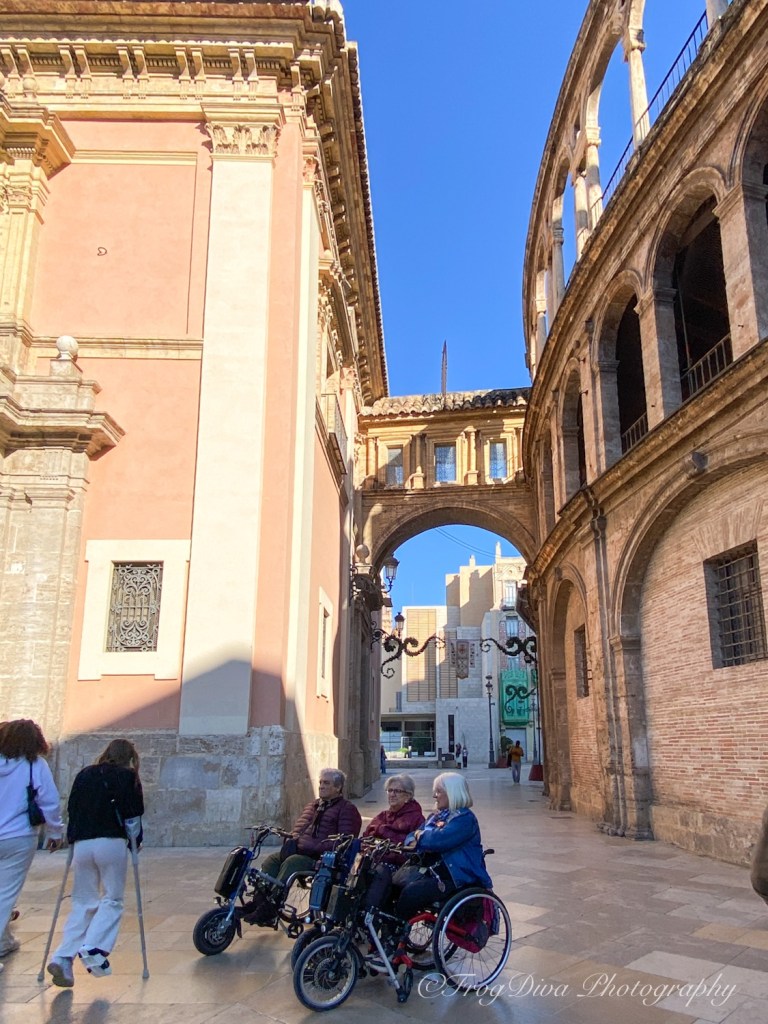
Later in the afternoon we stopped for merenda at Malvón. Technically it is an Argentinian empanada shop, but the moment you walk in you could swear you have accidentally wandered into empanada heaven. We ordered four different flavours and carried them to the vast Plaza de la Reina, sitting in the sun directly in front of the Valencia Cathedral.
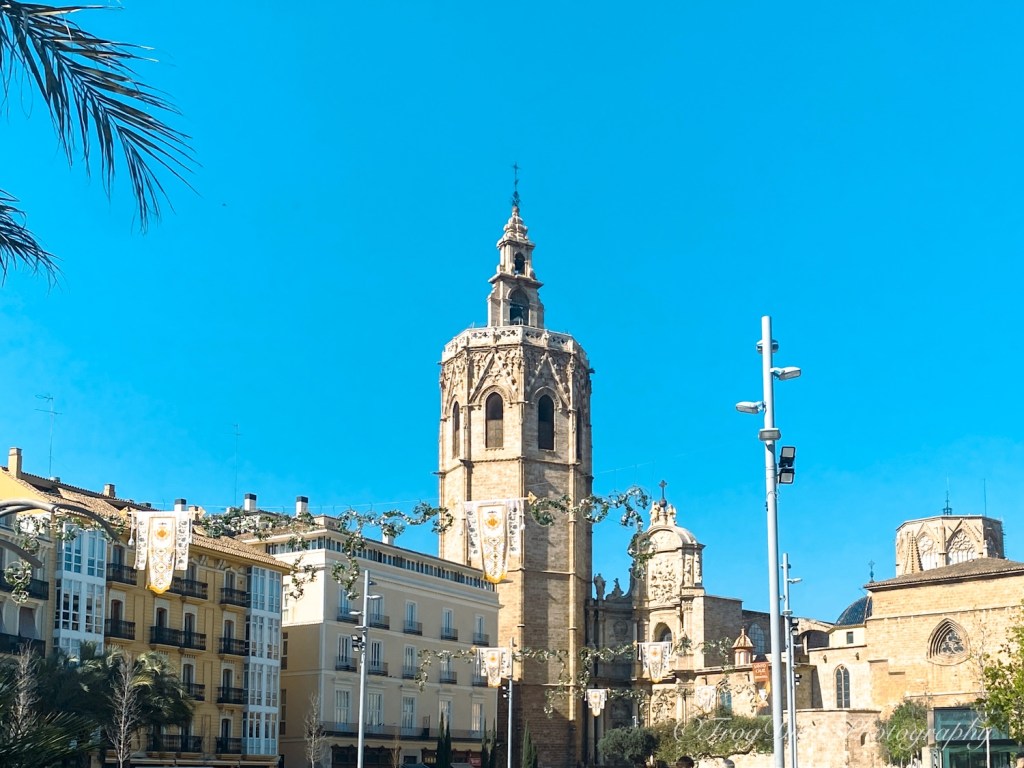
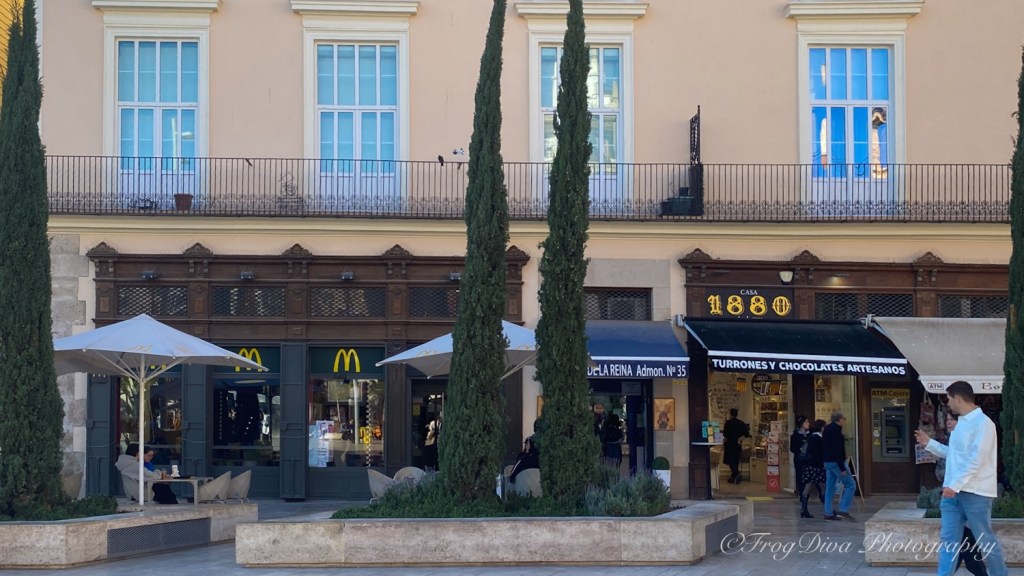
The plaza itself has long been one of the historic hearts of the city. Its name refers to Queen María of Castile, the wife of Alfonso V of Aragon, and the square has evolved for centuries as a gathering point for markets, festivals, and everyday life. From here you see two of Valencia’s most iconic landmarks, the cathedral and the octagonal bell tower known as El Micalet, whose bells have been marking the rhythm of the city since the fifteenth century.
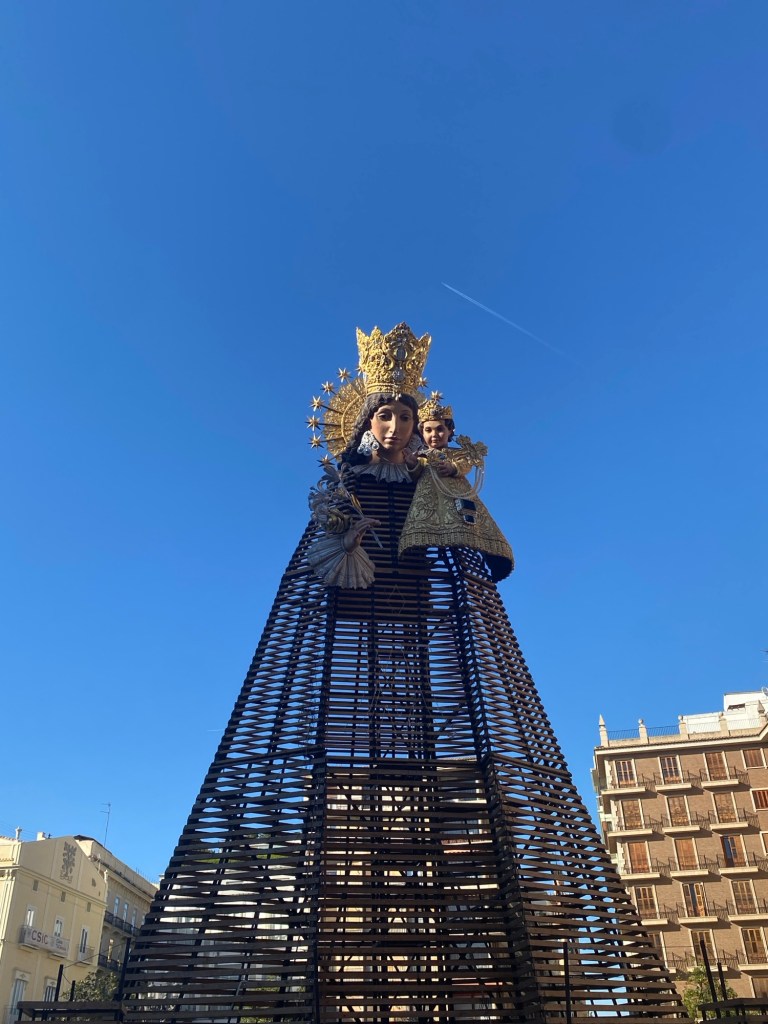
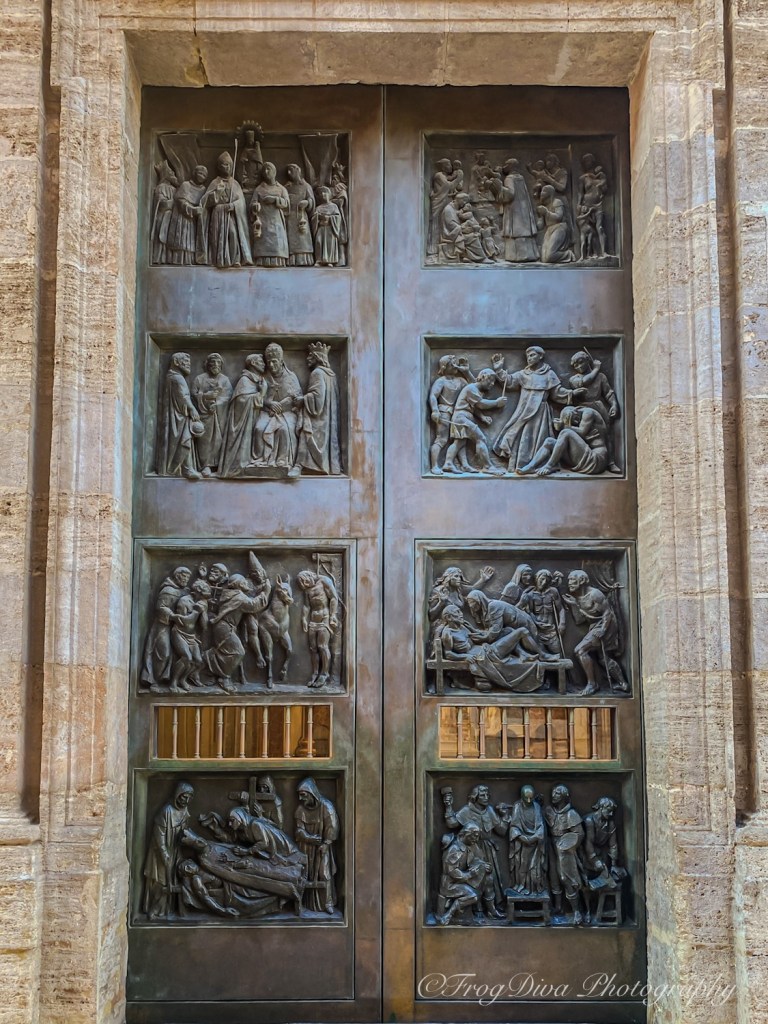
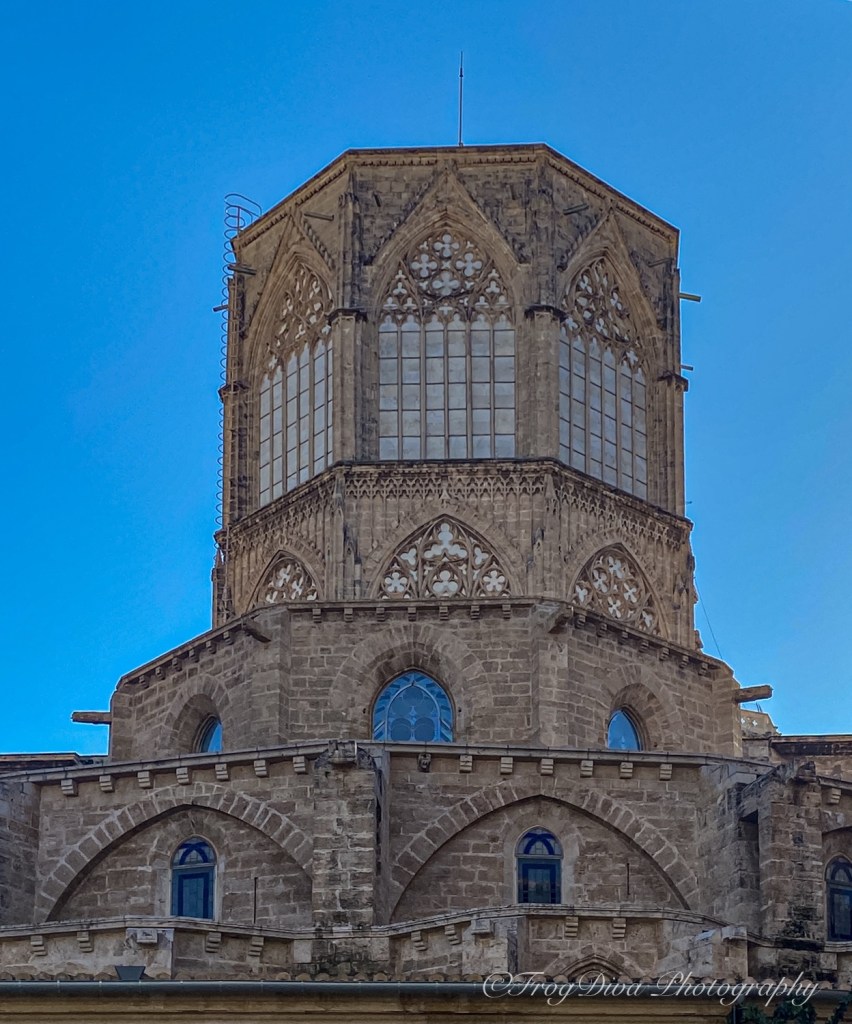
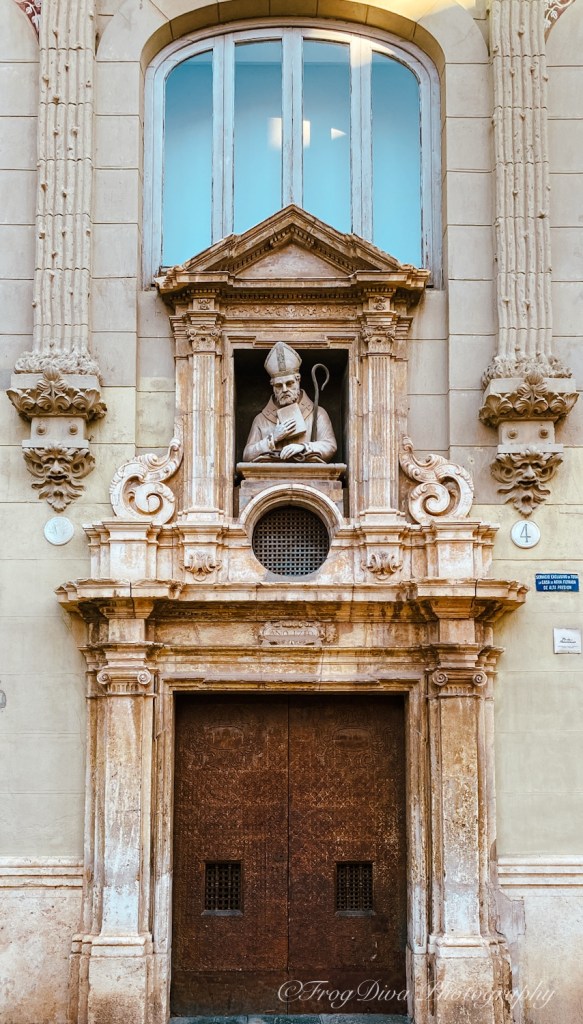
The Valencia Cathedral, officially the Metropolitan Cathedral Basilica of the Assumption of Our Lady, was built beginning in 1262 on the site of a former mosque after the Christian reconquest of Valencia by King James I of Aragon. Like many Spanish cathedrals, its architecture reflects layers of history, primarily Gothic, but with Romanesque, Renaissance, and Baroque elements added across the centuries. It is also famous for housing what many believe to be the Holy Grail, a chalice preserved in the cathedral treasury that some historians link to early Christian relic traditions.
Sadly, we did not go inside. Because I was carrying a backpack we were turned away, but truthfully there was also a slightly biblical moment in which I objected to paying ten euros admission to enter a Catholic church while being Catholic myself. Sometimes principle wins over curiosity.
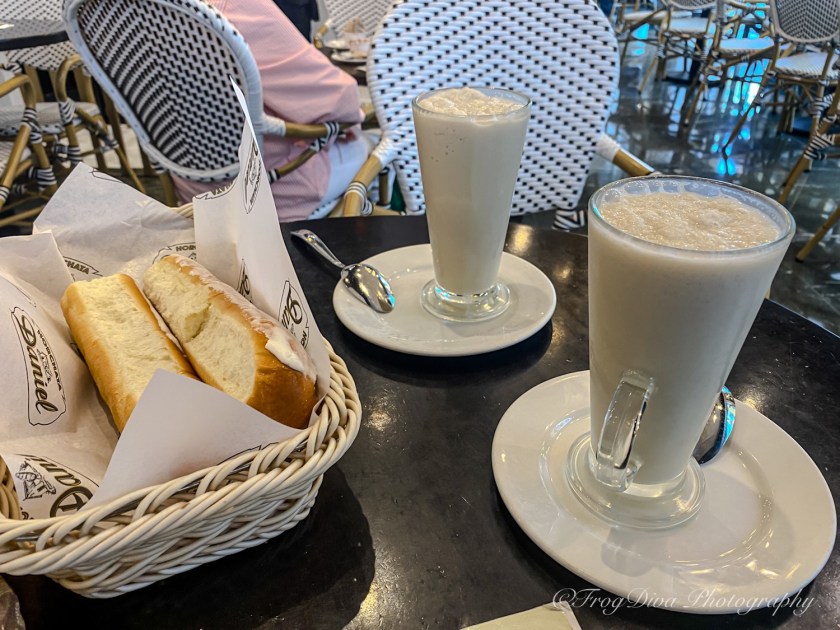
From the plaza we moved on to Horchatería Daniel for a classic Valencian treat, horchata and fartón. The café itself felt like stepping into another era, with high ceilings, antique chandeliers, polished brass trim, and the quiet elegance of a place that has served generations.
Horchata in Valencia is quite different from the version many people know from Latin America. Valencian horchata de chufa is made from tiger nuts, small tubers called chufas that have been cultivated in this region since at least the Middle Ages, possibly introduced by the Moors. The nuts are soaked, ground, and mixed with water and sugar to produce a cool, creamy drink that tastes surprisingly like coconut milk.
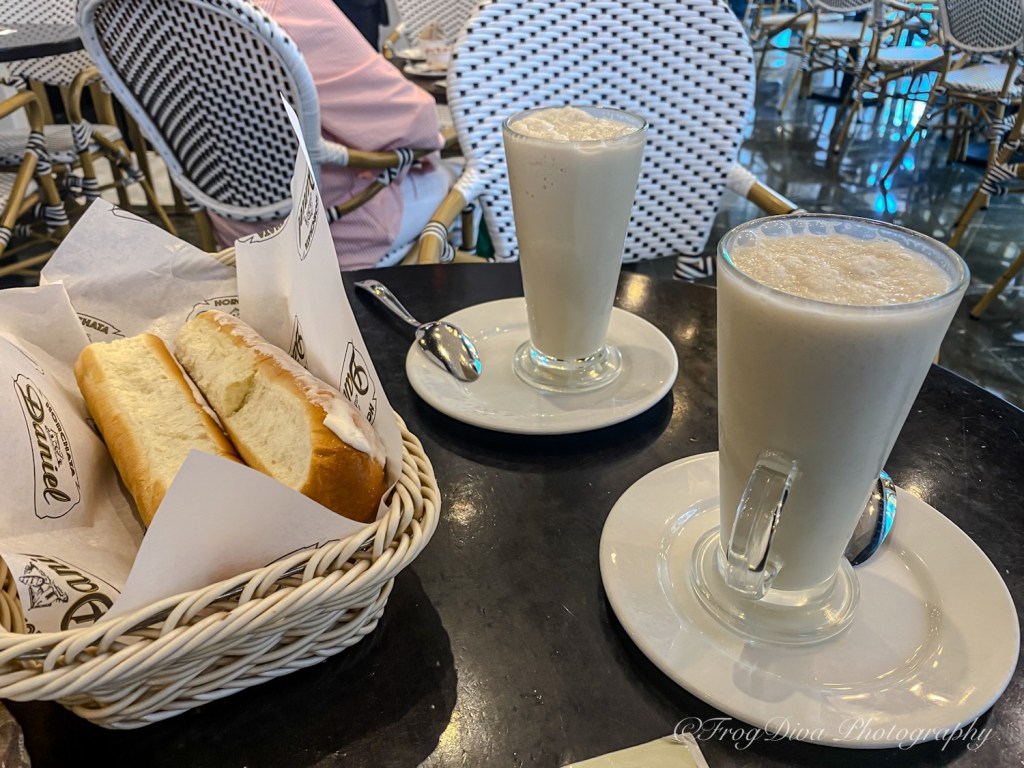
In Mexico, where I grew up, horchata is usually made from rice blended with cinnamon and sugar. I was never particularly fond of it. Yet this Valencian version immediately reminded me of guinumis, a Filipino dessert drink made with coconut milk, shaved ice, and sweet toppings. The flavours felt unexpectedly familiar.
The classic accompaniment is a fartón. English speakers please reserve your sassy comments. A fartón is a long, soft pastry somewhat like brioche, glazed with a light lemon icing and designed specifically for dipping into horchata. To Filipinos it tastes remarkably similar to ensaymada, the soft, buttery sweet bread topped with sugar or cheese that came to the Philippines through centuries of Spanish influence.
Food has a curious way of mapping the journeys of empires and families. In that small café in Valencia I suddenly found myself tasting echoes of Mexico, the Philippines, and Spain all at once. I remembered the Saturday afternoons when my mother and I used to visit a café together in Mexico, quiet moments set aside for mother daughter bonding. And now here I was, decades later, sitting in Valencia with my own daughter, dipping pastries into horchata. It felt as though a circle had quietly closed.
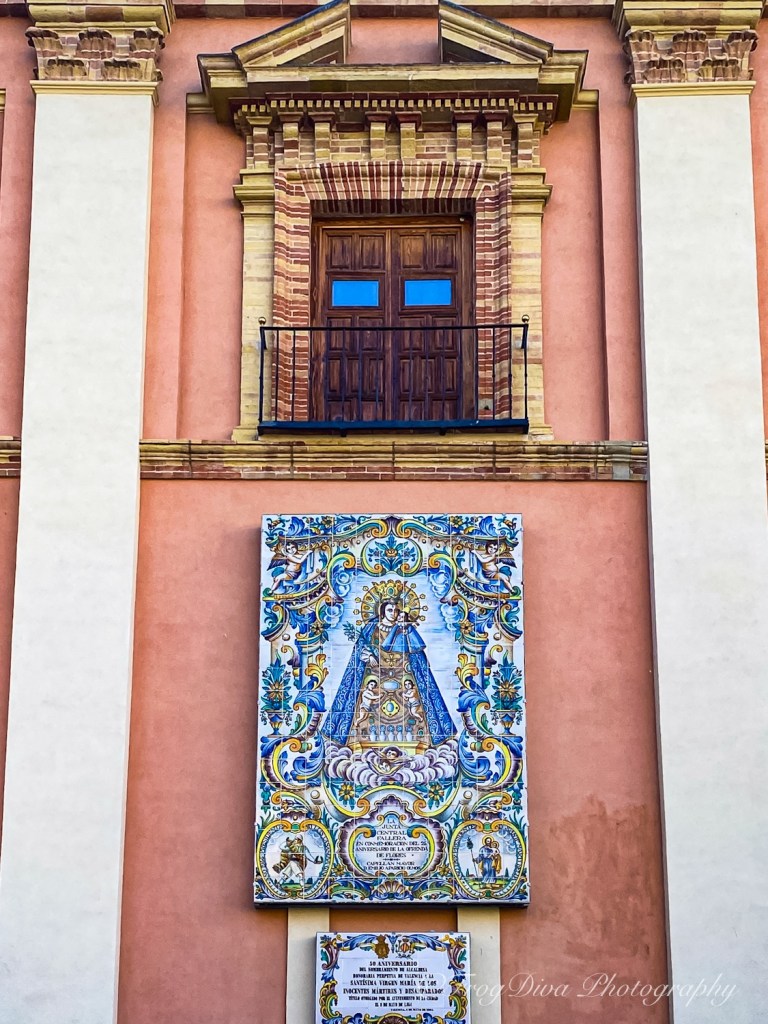
Afterwards we walked through the Jardín del Turia, the great green artery of Valencia. The park occupies what used to be the riverbed of the Turia River until a catastrophic flood in 1957 prompted the city to divert the river south of the city. Instead of building highways in the empty river channel, Valencia transformed it into a nine kilometre ribbon of gardens, paths, sports fields, and playgrounds. In spirit it feels a bit like Berlin’s Tiergarten or New York’s Central Park, a peaceful place where the entire city seems to exhale.
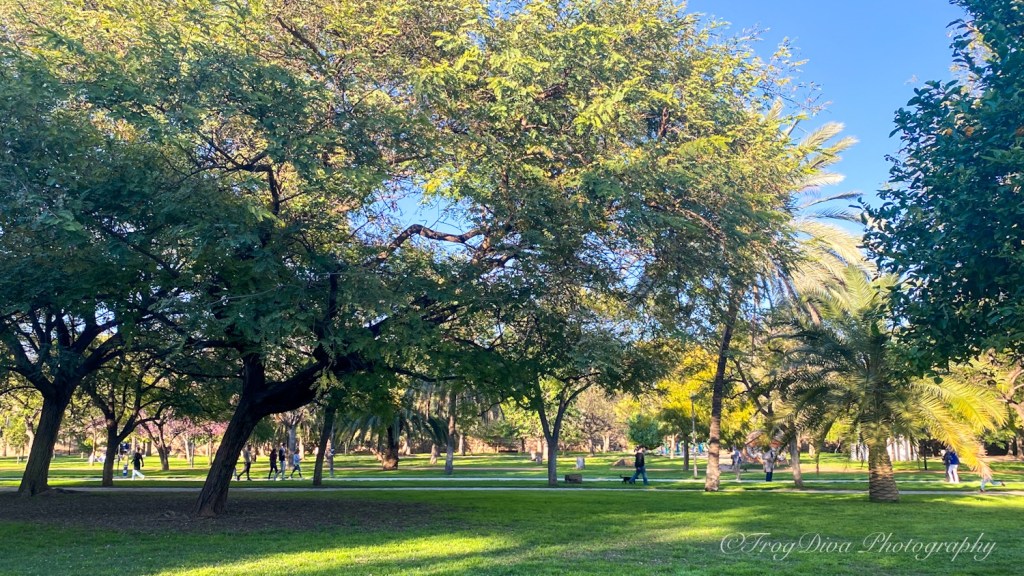
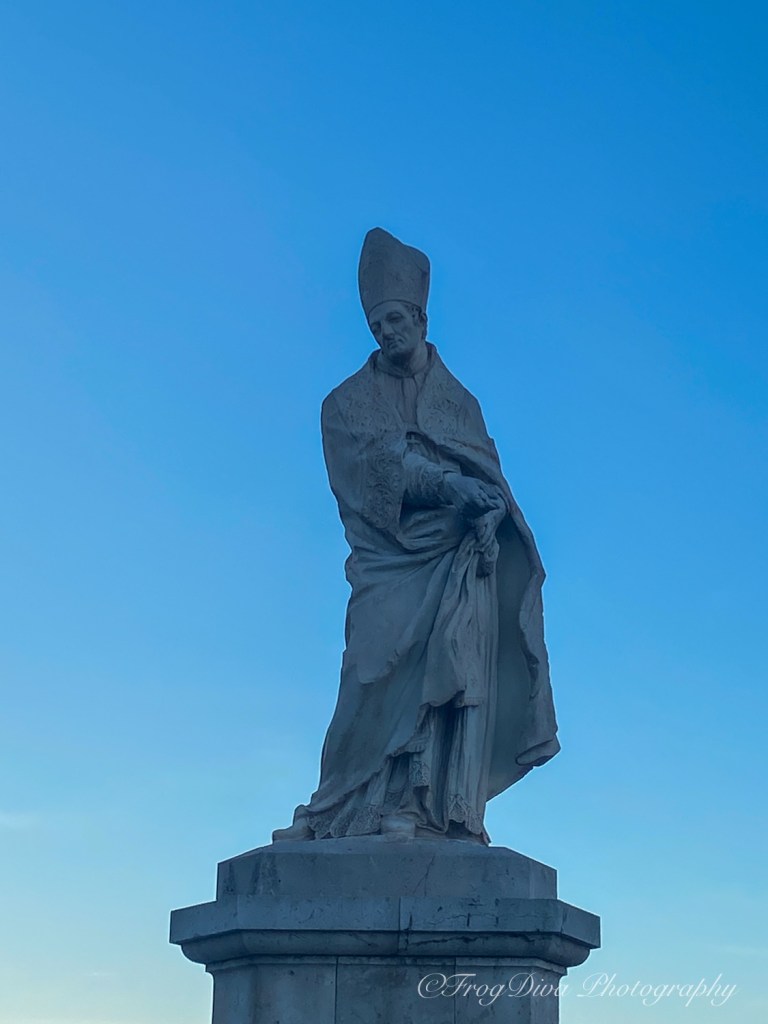
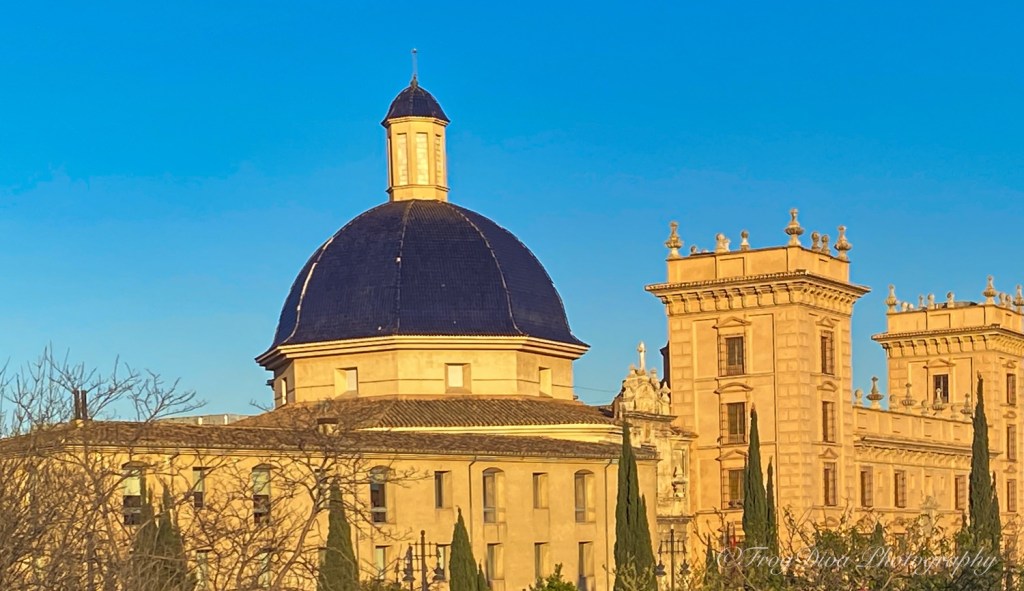
It was serene and almost meditative. People strolling. Cyclists gliding past. Dogs greeting one another with great diplomatic enthusiasm. Birds everywhere. Naturally, I took the opportunity to practice my animal communication with the local wildlife.
Valencia feels culturally familiar in a way that is hard to explain. The light, the food, the temperament of the people, the layers of history quietly present in everyday life. It is also a photographer’s dream. Every street corner offers another moment waiting to be captured. And yet tomorrow I have to leave. I find myself wishing I could stay just a little longer.
Related blogs
 FrogDiva Thoughts