There are certain sounds one forgets after living in The Shire for a few years. Wind in the trees? Familiar. The distant philosophical musings of sheep? Comforting. But the city… the city wakes differently.
This morning I opened my eyes not to pastoral serenity but to the unmistakable symphony of urban life: scooters whining past, café chairs scraping across pavement, and the distant murmur of people who clearly had somewhere to be. It felt strange. Not unpleasant, just different. After three years of rural quiet, Valencia felt like waking up inside a beehive.
And what better way to begin a birthday celebration than with apple pancakes crowned with fresh strawberry and blueberry sauce? A proper breakfast is essential when one intends to spend the rest of the day doing serious cultural research, also known as wandering around eating things.
We took the morning slowly and by mid afternoon allowed our feet, and our stomachs, to guide us toward the old town. The plan, if it could be called that, was to begin the inculturation process into the world of Las Fallas. For those unfamiliar, this is not a small neighbourhood fair. Fallas is Valencia’s great annual festival, an exuberant explosion of art, satire, fireworks, food, music, and controlled chaos that takes over the entire city every March.
Naturally, our first stop in this noble cultural endeavour was a churrería. Inside we ordered a platter of churros and buñuelos. Now, I must report a shocking discovery: Valencian buñuelos are nothing like the Mexican ones I grew up with. These were airy, pumpkin based fritters, delicately crisp and designed primarily to serve as vehicles for large quantities of sugar. Entirely different, but entirely acceptable.
Along with the fried delights came another important cultural lesson: Valencians take their drinking chocolate very seriously. On the menu was an option to order churros with chocolate. In Spanish history there are types of chocolate served to guests- chocolate A (aguado) and chocolate E (espeso). Chocolate A is thick, rich, and luxurious enough to coat the churros like velvet. Chocolate E, however, crosses boldly into the realm of edible lava. It is so dense that a spoon could stand upright in it with confidence. This concept made its way into Philippine history and society and was immortalised by José Rizal in his novel Noli Me Tangere.
The churrería itself was exactly the sort of place one hopes to find when wandering without a plan. Loud, cheerful, gloriously unpolished, and blissfully free of tourists. It was run by a Colombian family who have been living in Valencia for three years, and the place buzzed with local chatter and laughter. Nothing fancy. Perfect.
Properly fortified with fried dough, we continued our stroll toward Barrio El Carmen, the historic heart of Valencia’s old town. There we managed to claim a small table at a very crowded bar, where we ordered a beer and settled in to watch the festival pulse around us.
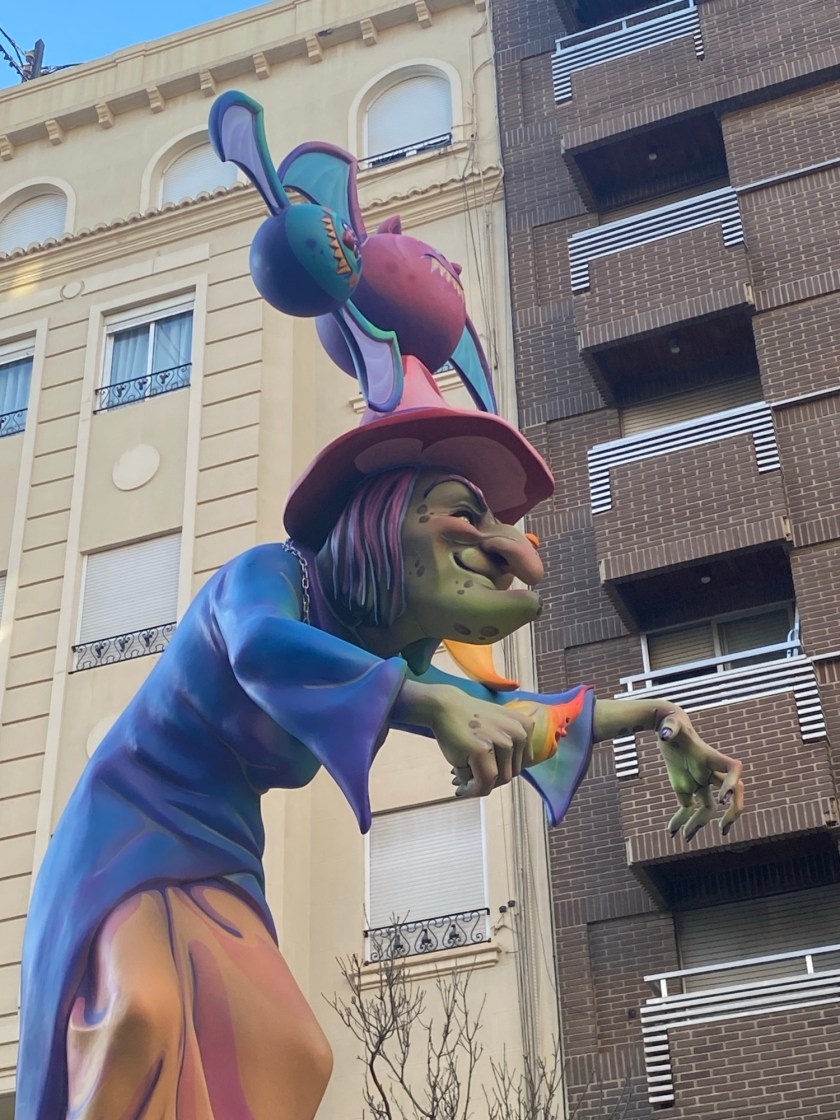
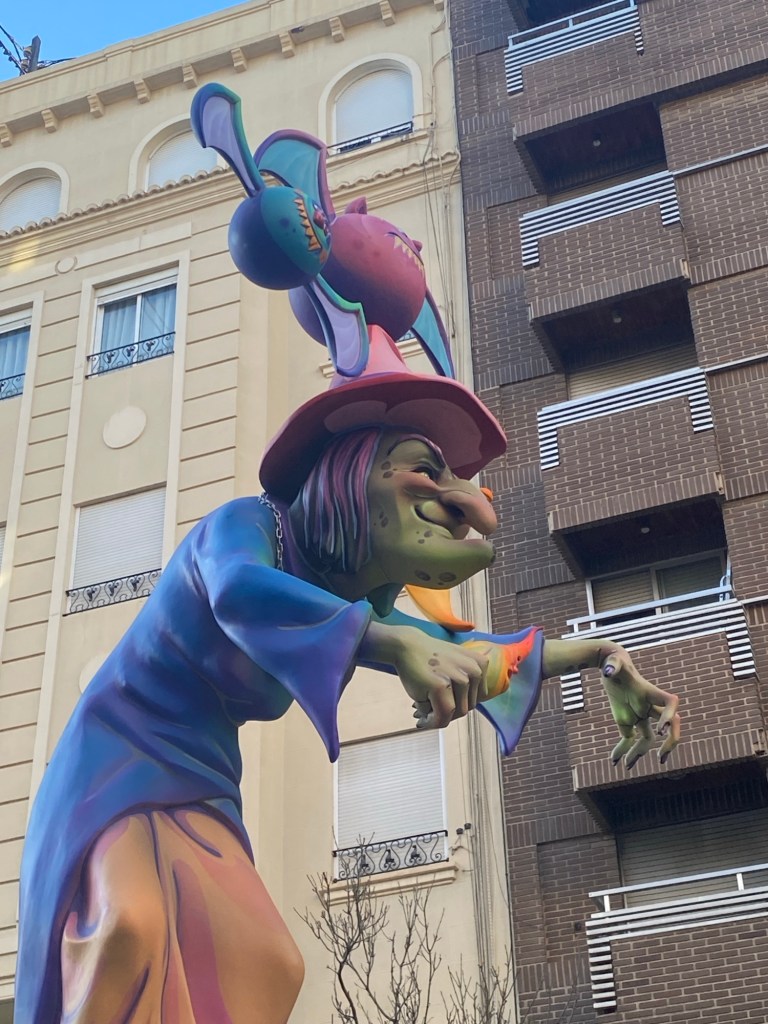
And what a spectacle it is. Throughout the neighbourhood stand the towering fallas themselves, massive sculptural installations that can rise several stories high. They are whimsical, elaborate, and often delightfully irreverent, depicting politicians, celebrities, cultural icons, and social absurdities in exaggerated cartoon form. The craftsmanship is astonishing. One moment you are laughing at the satire, the next you are marveling at the intricate artistry.
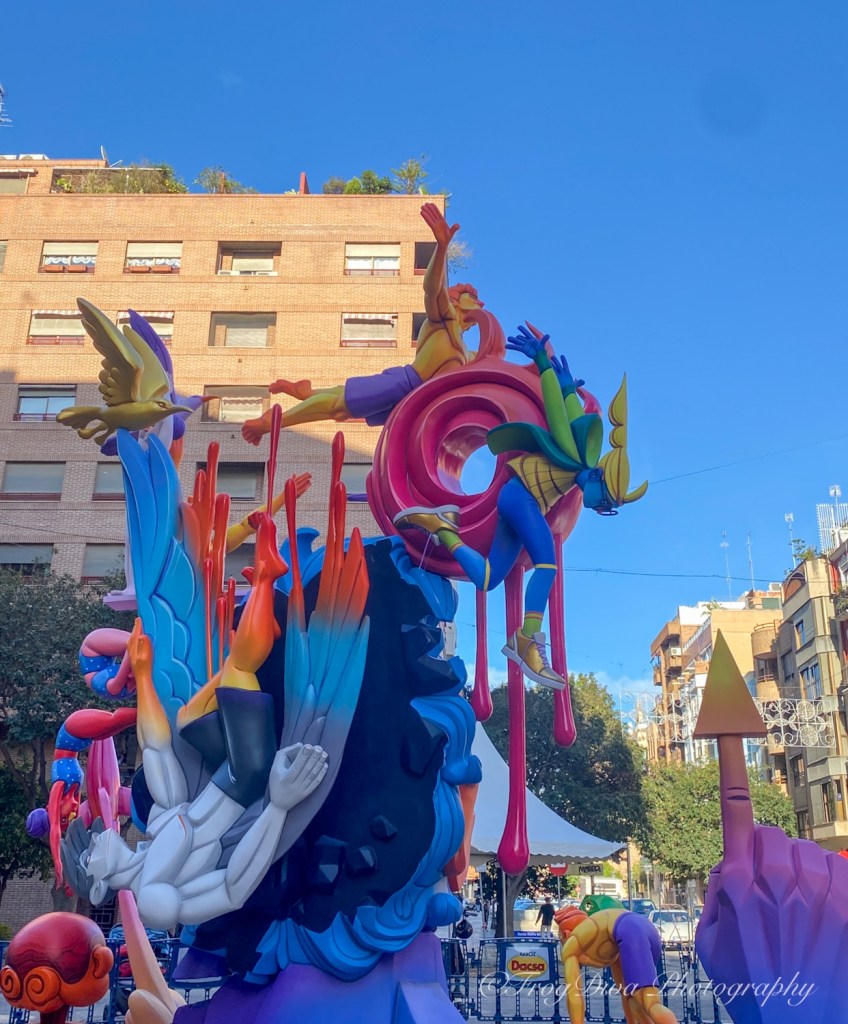
The origins of Fallas are humbler than the grand creations now filling the streets. Centuries ago Valencian carpenters would burn old wooden lamp stands called parots in the streets on the eve of Saint Joseph’s Day, the patron saint of carpenters. Over time people began dressing the wooden frames with old clothes and scraps to resemble figures. Naturally, once people realized they could mock their neighbours, and eventually politicians, the tradition took off.
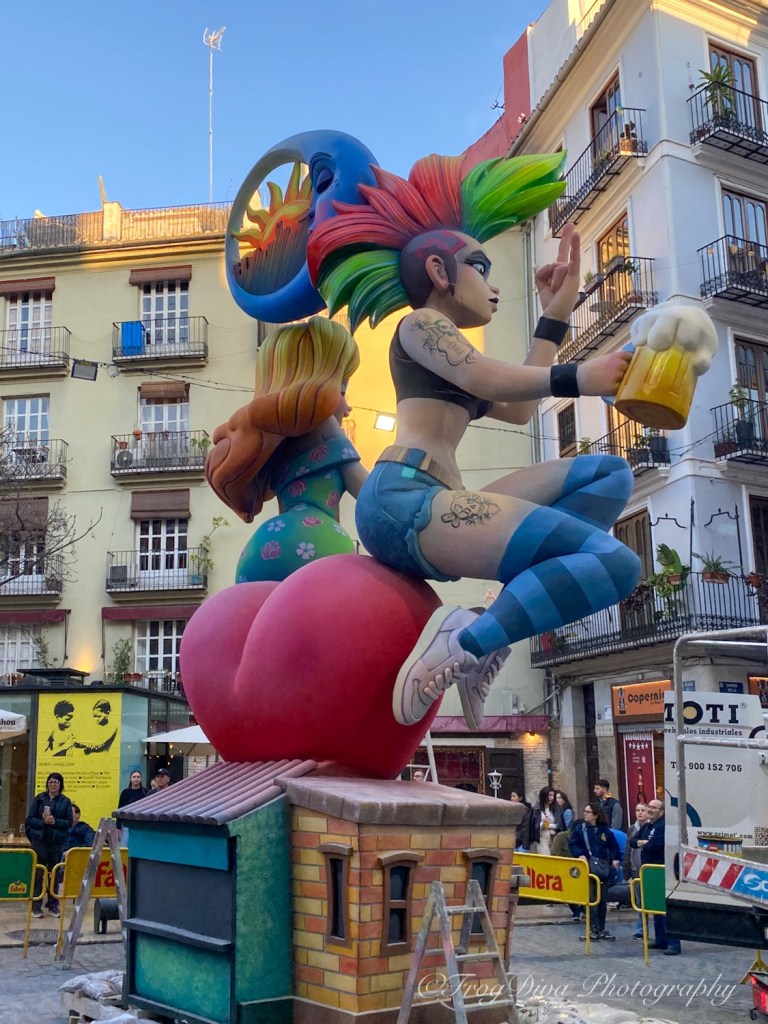
Today the figures have evolved into monumental works of art built by professional artisans and neighbourhood associations. They take months to construct and can cost staggering sums. And yet here is the deliciously dramatic part. They are all destined to burn in the grand finale known as La Cremà. Entire neighborhoods gather to watch these masterpieces go up in flames. Art, satire, celebration, and a little theatrical destruction. It is all very Valencian.
As we wandered between installations, the atmosphere was pure joy. Families strolling together, children pointing up at the giant figures, music drifting from nearby streets, the smell of food everywhere. The festival feels less like a tourist event and more like a citywide reunion, communities bonding in a shared ritual that has been evolving for centuries.
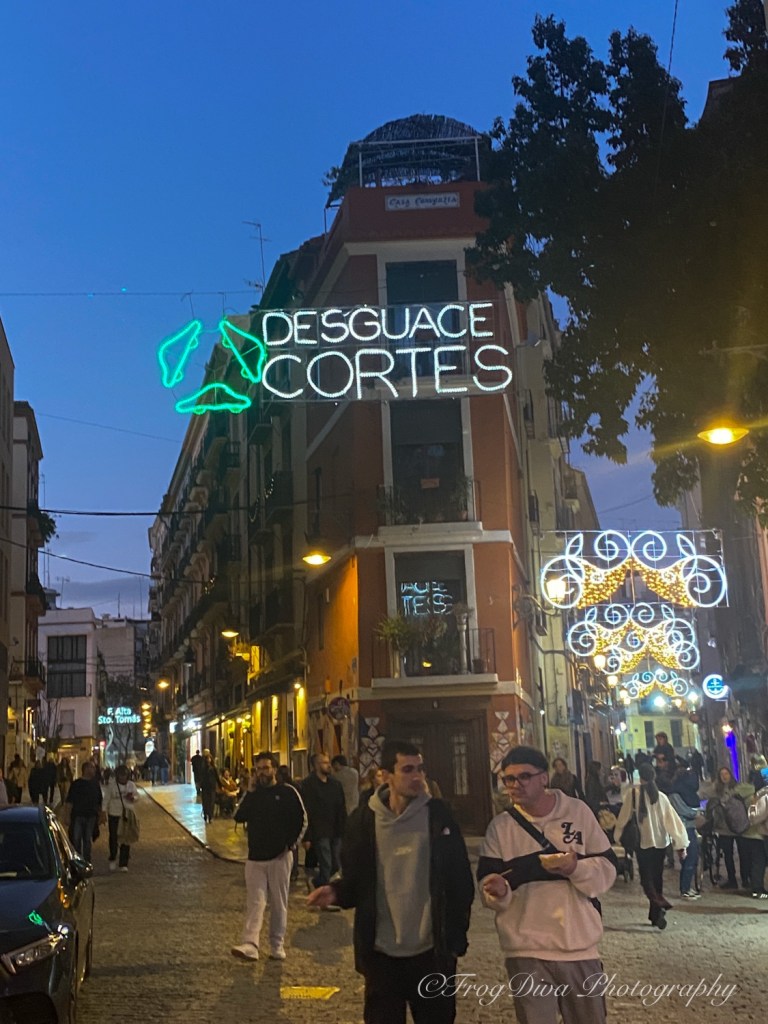
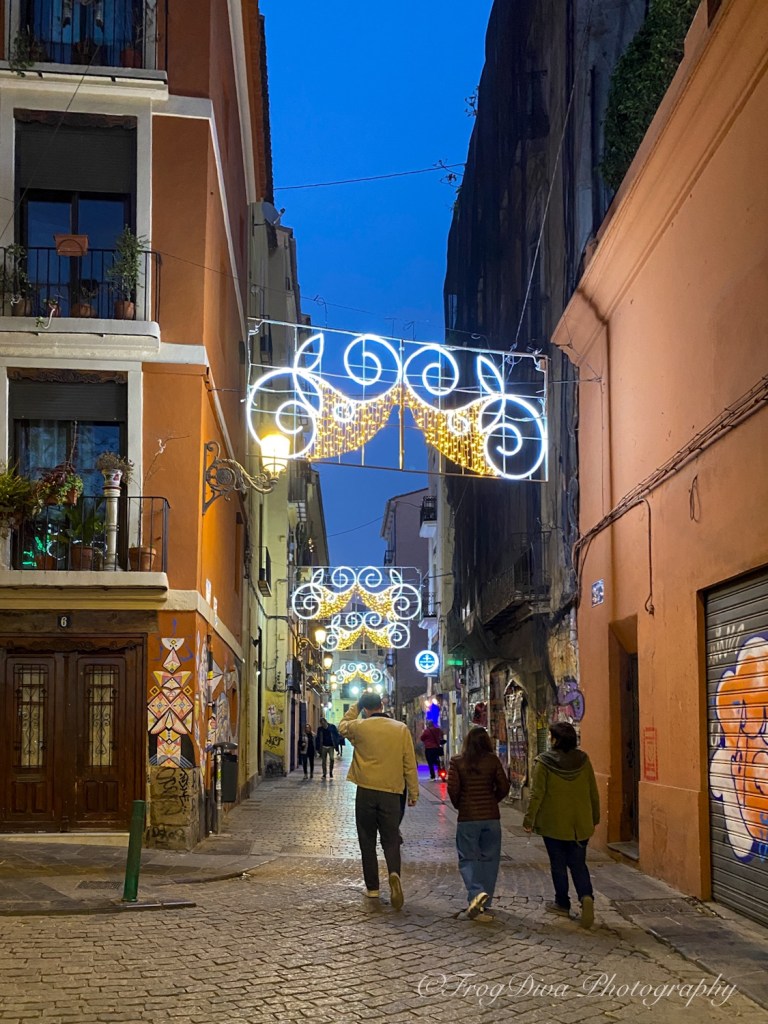
Eventually evening arrived, which meant it was time for the official birthday dinner. Tonight’s choice was a Thai restaurant, where we enjoyed the comfort of familiar flavours, gently moderated for European palates of course. One must ease the locals into proper spice levels.
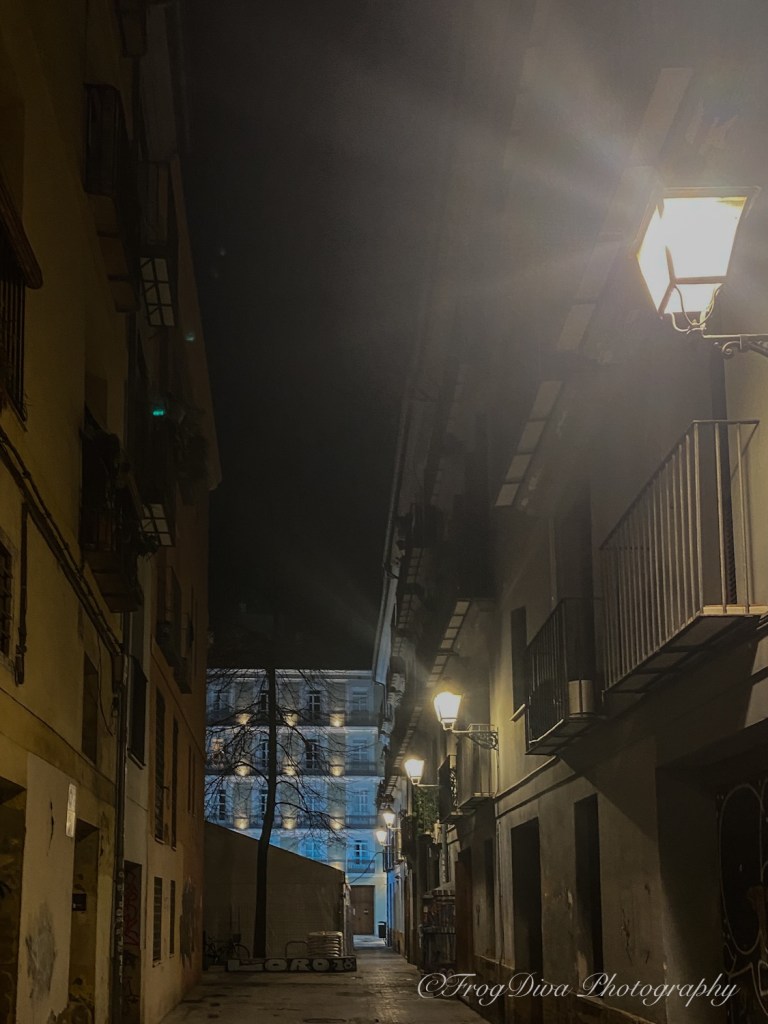
After dinner we wandered again through the cobblestone alleys of the old city. The street lamps glowed warmly against ancient stone walls, and every corner seemed to reveal another lively square or quiet passageway. Valencia at night has a way of inviting you to keep walking, even when your sensible brain says you should probably sit down.
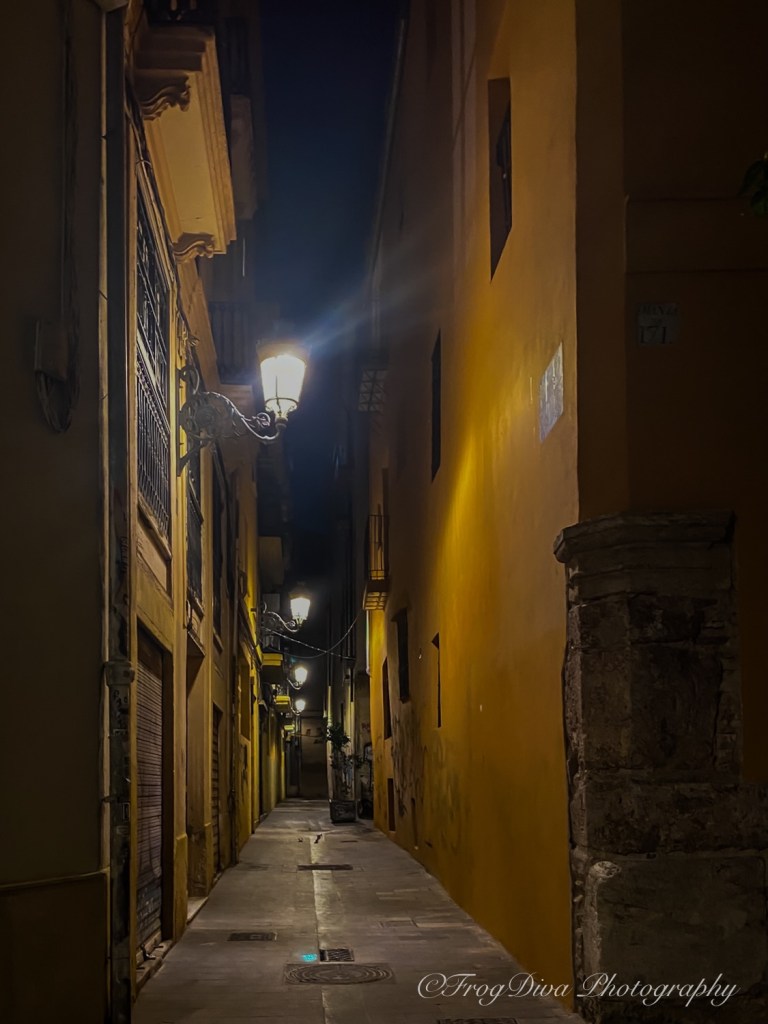
Which brings me to the current situation. My feet are killing me. I feel as though we have been eating all day. This may be because we have in fact been eating all day. And yet I feel wonderfully, gloriously alive. Travel has a way of shaking the dust out of the soul, reminding it that the world is vast and curious and full of unexpected sweetness.
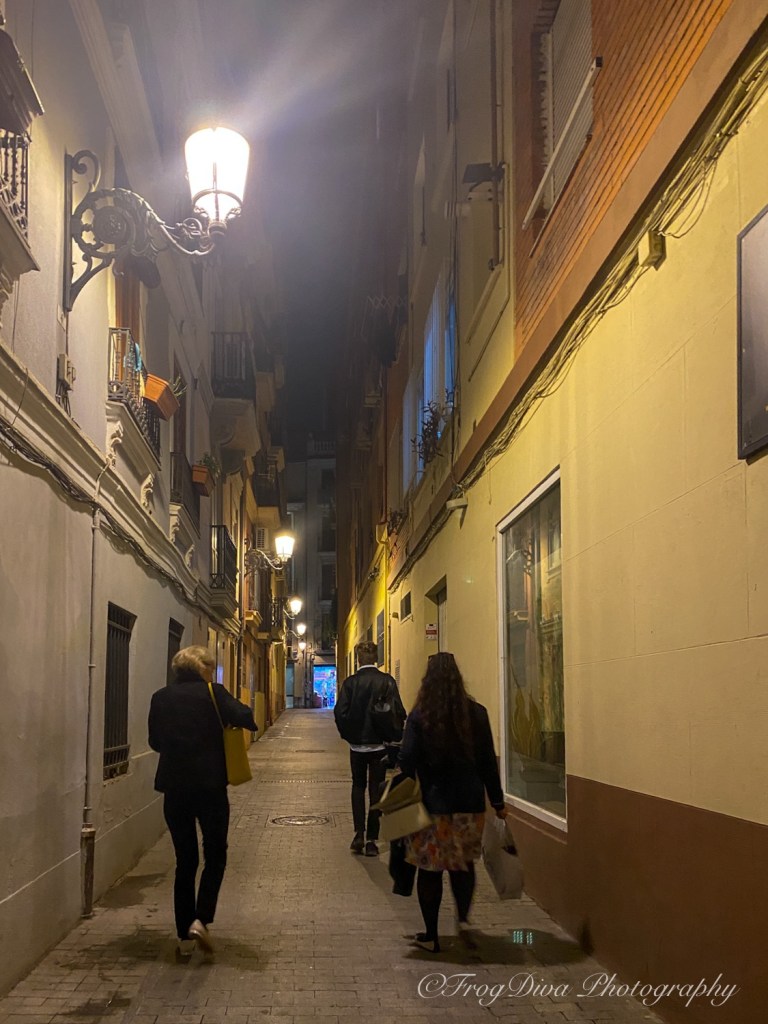
Today Valencia welcomed us with sugar, laughter, art, and fire. And my soul, much like the Fallas themselves, is happily ablaze with adventure.
Related blogs:
 FrogDiva Thoughts