

In the world of love, healing, and soul connections, few topics spark as much curiosity and wonder as the idea of soulmates, twin flames, and karmic partners. These relationships go far beyond the physical realm; they touch the very essence of who we are. While they may all feel spiritually significant, they each serve very different roles in our personal evolution. Understanding the distinctions between them can bring clarity, especially when navigating intense emotional connections.
💞 Soulmates: Familiarity, Harmony, and Growth
A soulmate is someone whose energy feels like home. When you meet them, there’s often an immediate sense of comfort and recognition, as though your souls have known each other for a long time—even if you’re meeting for the first time in this life. The bond is gentle and natural, and it flows without the need for constant effort or emotional strain.
Soulmates are not limited to romantic relationships. They can appear as best friends who understand you without needing to explain yourself, as family members who have been your emotional anchor, or even as teachers and mentors who awaken something deep within you. Some soulmates enter your life briefly but leave a profound mark, while others walk with you for many years.
What sets soulmates apart is the balance and emotional safety they bring. These relationships are rooted in mutual respect, trust, and support. You and your soulmate may have disagreements, but you grow through them with kindness rather than chaos. Being with a soulmate often brings peace and a sense of emotional alignment. They help you grow—but they do it with love, patience, and unwavering presence.
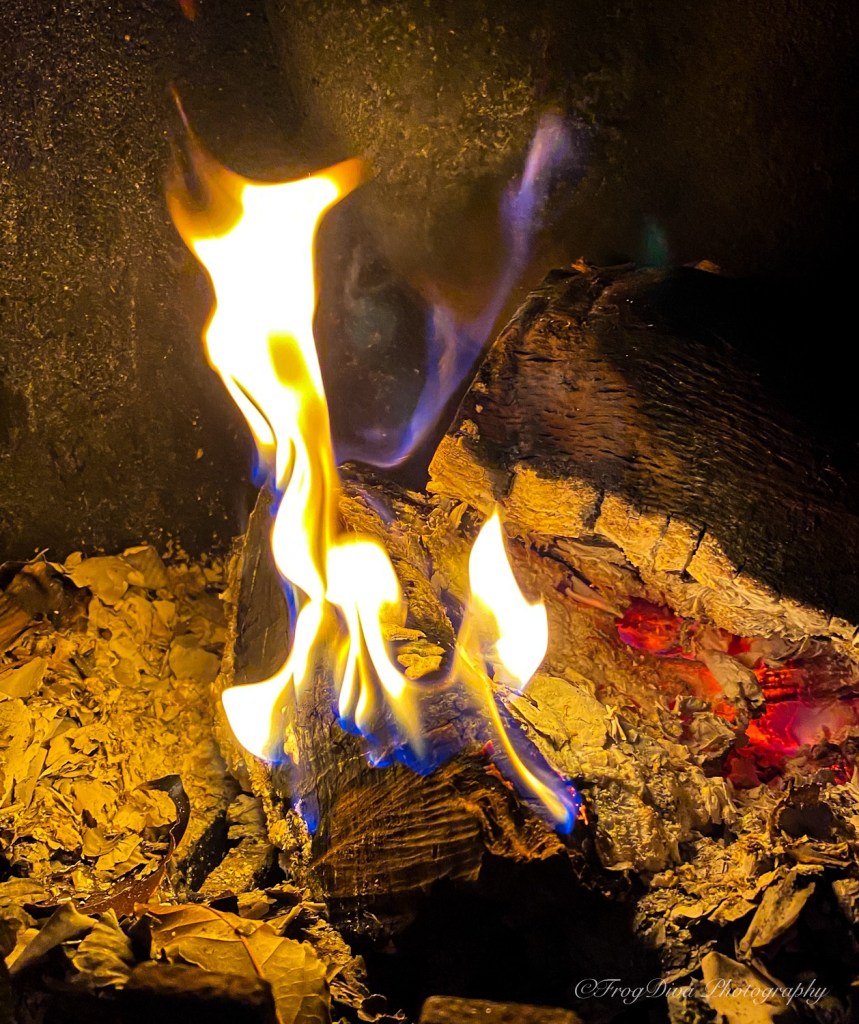
🔥 Twin Flames: Intensity, Mirror, and Transformation
Unlike soulmates, twin flames are not two souls that complement each other—they are believed to be one soul split into two bodies. Meeting a twin flame feels like colliding with a part of yourself that you didn’t know was missing. The intensity is electrifying, sometimes overwhelming. It feels fated, magnetic, and impossible to ignore.
This kind of connection serves a deep spiritual purpose. Twin flames are mirrors: they reflect your highest potential as well as your deepest wounds. Being in this relationship forces you to face the aspects of yourself you’ve been avoiding—insecurities, trauma, fears, and unresolved pain. The connection is often emotionally volatile and filled with periods of separation, personal growth, and reunion.
The twin flame journey can involve what’s often described as the “runner and chaser” phase. One person may retreat from the intensity of the bond while the other pursues, leading to a dynamic of emotional push and pull. This separation is not a sign of failure but an invitation for both individuals to heal independently before they can harmonise together.
Although twin flames can be romantic, the ultimate purpose of the relationship isn’t about traditional partnership. It’s about awakening, transformation, and alignment with your higher self. Many twin flames do not end up together permanently in the physical world, but the connection itself often sparks a lifelong process of spiritual evolution.
⚡️ Karmic Mates: Lessons, Cycles, and Closure
A karmic relationship is one of the most challenging and transformative experiences you can go through. These relationships often arrive like a storm—sudden, intense, and filled with passion and drama. They may begin with strong attraction and emotional highs, but quickly give way to patterns of conflict, confusion, and even emotional turmoil.
Karmic mates are connected to your soul’s past, often tied to unfinished business from previous lives or lingering emotional debts. These connections are meant to teach powerful lessons—sometimes about self-worth, boundaries, codependency, or letting go. Unlike soulmates or twin flames, karmic partners are rarely meant to stay. Once their lesson is complete, the relationship often ends just as suddenly as it began.
What makes a karmic relationship difficult is the emotional grip it can have. Even when the dynamic becomes unhealthy or repetitive, it can feel nearly impossible to walk away. These relationships are addictive, drawing you back in with hope or guilt, only to repeat the same painful cycles. Yet within that struggle lies the opportunity for growth.
The purpose of a karmic relationship is not harmony, but awakening through contrast. It shows you what no longer serves your spirit and pushes you to finally break generational patterns, heal past wounds, and step into your power. Though painful, karmic connections are ultimately cleansing and deeply necessary for soul evolution.
🌌 The Role of Astrology and Cultural Wisdom in Soul Connections
Astrology has long been used as a tool to understand the deeper currents behind our relationships—why we’re drawn to certain people, why some connections feel destined, and how each soul interaction aligns with our cosmic blueprint. While modern Western astrology often looks at compatibility through synastry (comparing birth charts), traditional systems in cultures like India and China have deeply embedded astrological frameworks specifically for guiding relationships and identifying soul contracts.
In Vedic astrology, which originates from India, compatibility is assessed through a system called Kundli matching or Guna Milan. This method evaluates the alignment of two individuals’ natal charts across multiple aspects—mental compatibility, emotional connection, spiritual harmony, and even karmic debt. Vedic astrologers often identify karmic partners through planetary placements such as Rahu (the North Node) and Ketu (the South Node), which are indicators of past life experiences and unresolved lessons. If two people’s charts reveal a strong connection involving these nodes, it may signal a karmic relationship or unfinished soul contract. Deep soulmate or twin flame potential might be revealed when there are powerful alignments between Venus, Mars, Jupiter, or the Moon—planets associated with love, dharma, and emotional bonding.
In Chinese astrology, particularly the Four Pillars of Destiny (BaZi) and Zi Wei Dou Shu, birth data is used to decode a person’s elemental energy and life destiny, including romantic fate. Chinese tradition emphasises Yin-Yang balance, and highly compatible unions are often seen when elemental forces between two charts complement and support one another. Some unions, however, may be astrologically destined to be turbulent or short-lived—signs of a karmic tie or soul contract meant to end. Furthermore, Red Thread of Fate folklore in Chinese culture speaks of soulmates bound by an invisible thread, tied by destiny regardless of time, place, or circumstances—closely echoing the concept of twin flames or soulmates as unavoidable, preordained meetings.
Across cultures, astrology provides a spiritual language to understand why some relationships uplift us while others test our limits. Whether you’re exploring compatibility through Western astrology’s synastry, Vedic astrology’s karmic patterns, or Chinese astrology’s elemental dynamics, the stars can act as a guide to help you recognise the deeper purpose of each connection. While astrology doesn’t override free will, it illuminates the energies we carry—offering insight into why certain souls come into our lives, and what they might be here to teach us.
 FrogDiva Thoughts