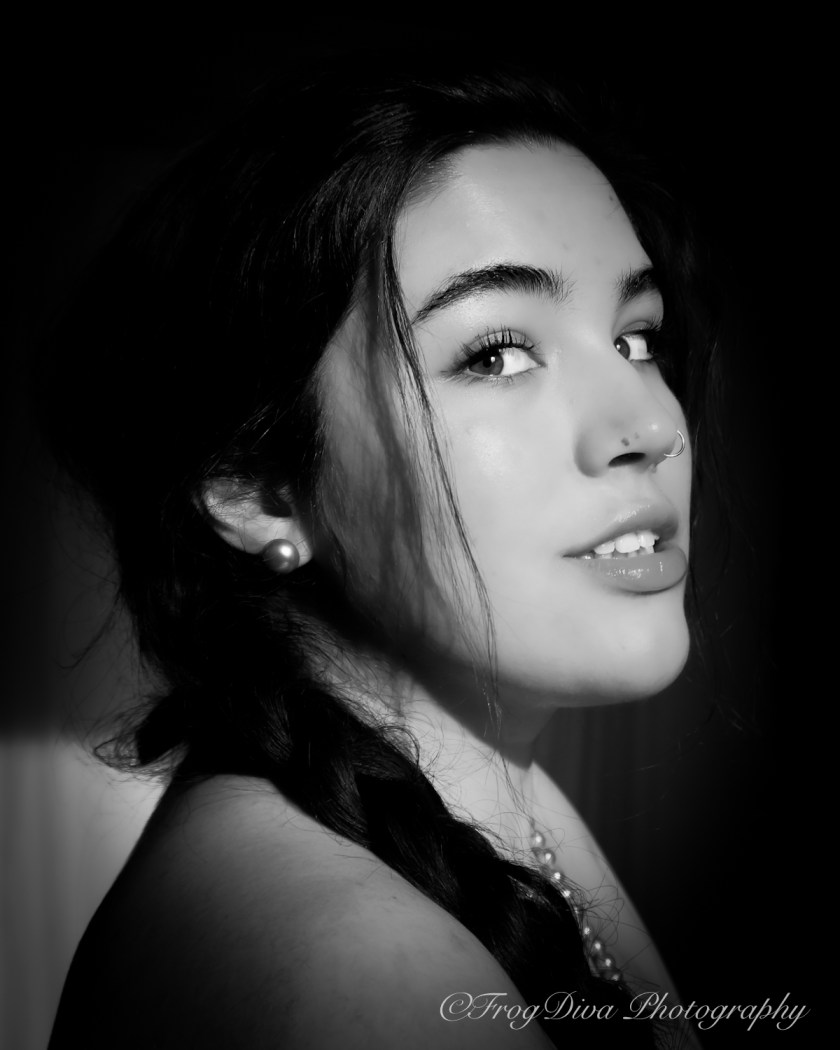
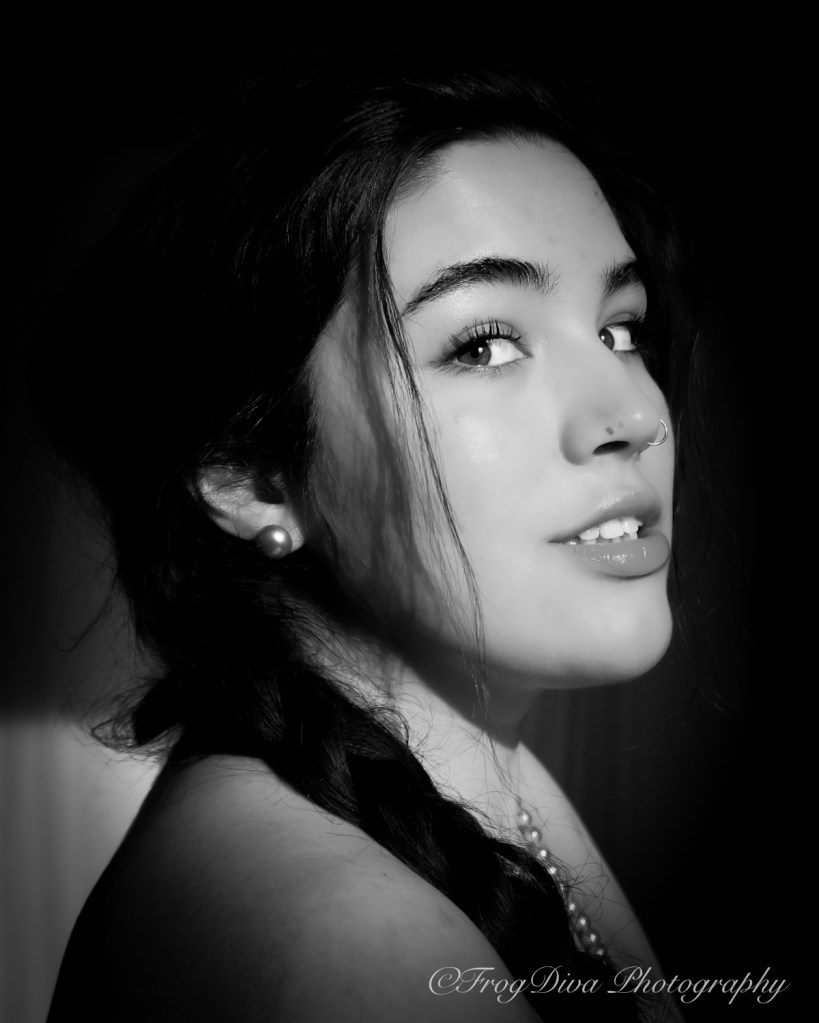
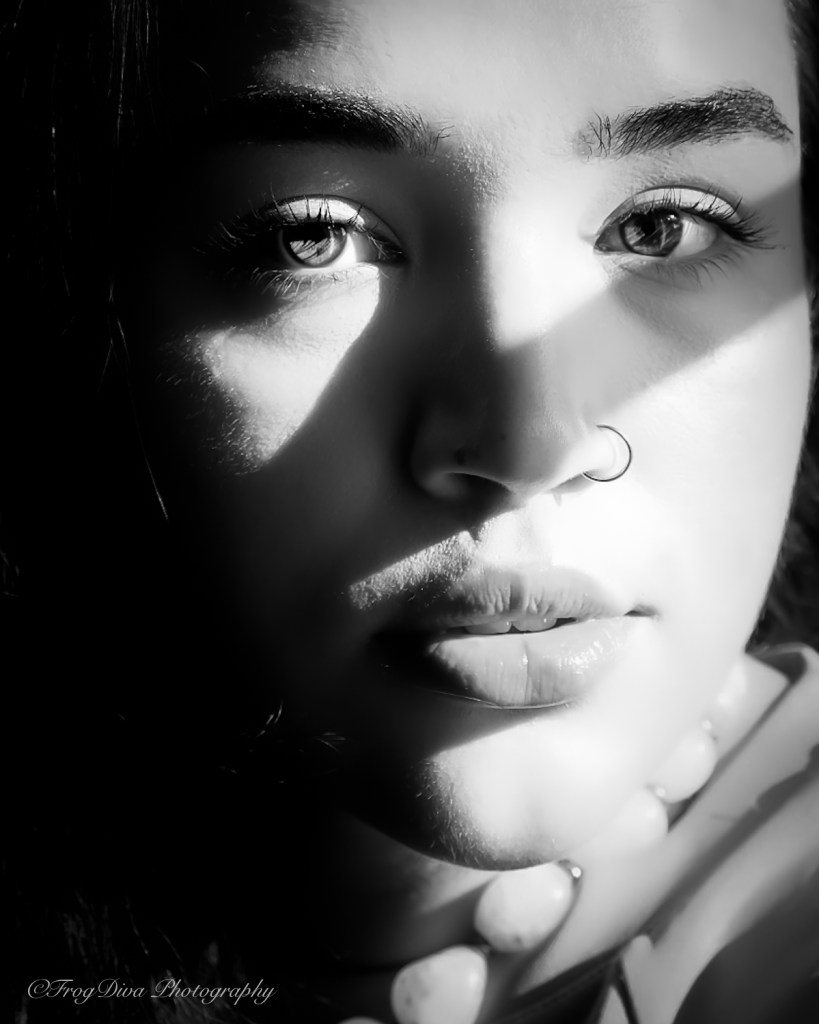
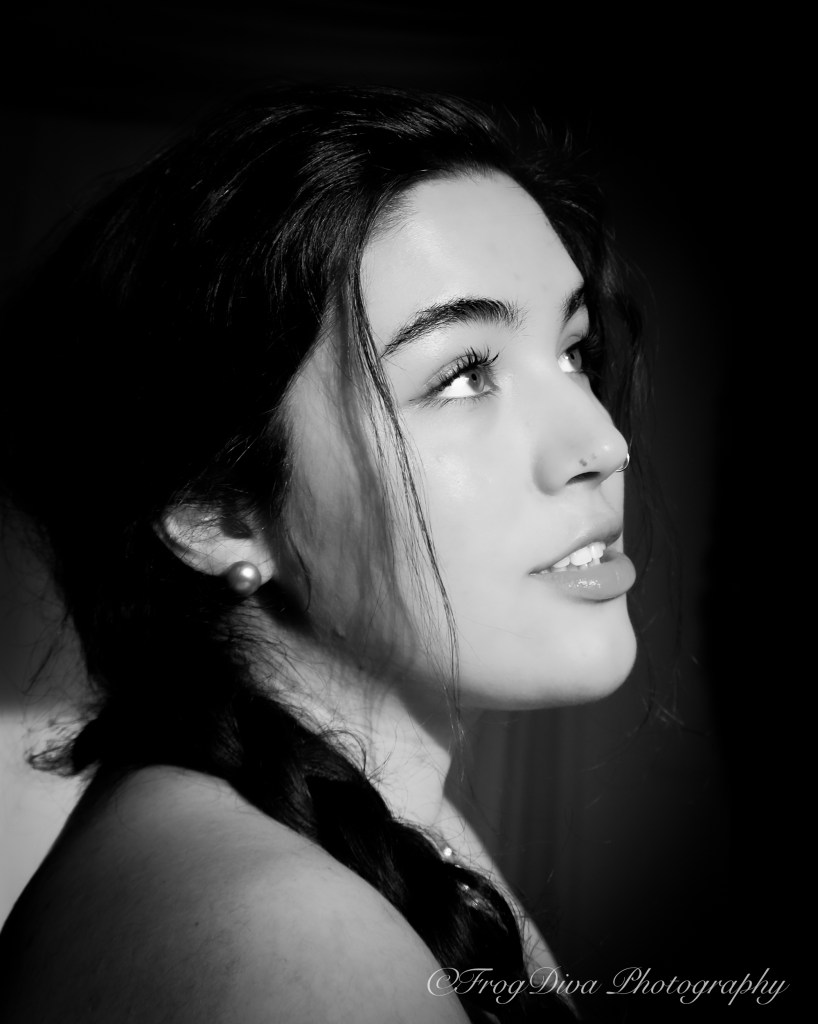
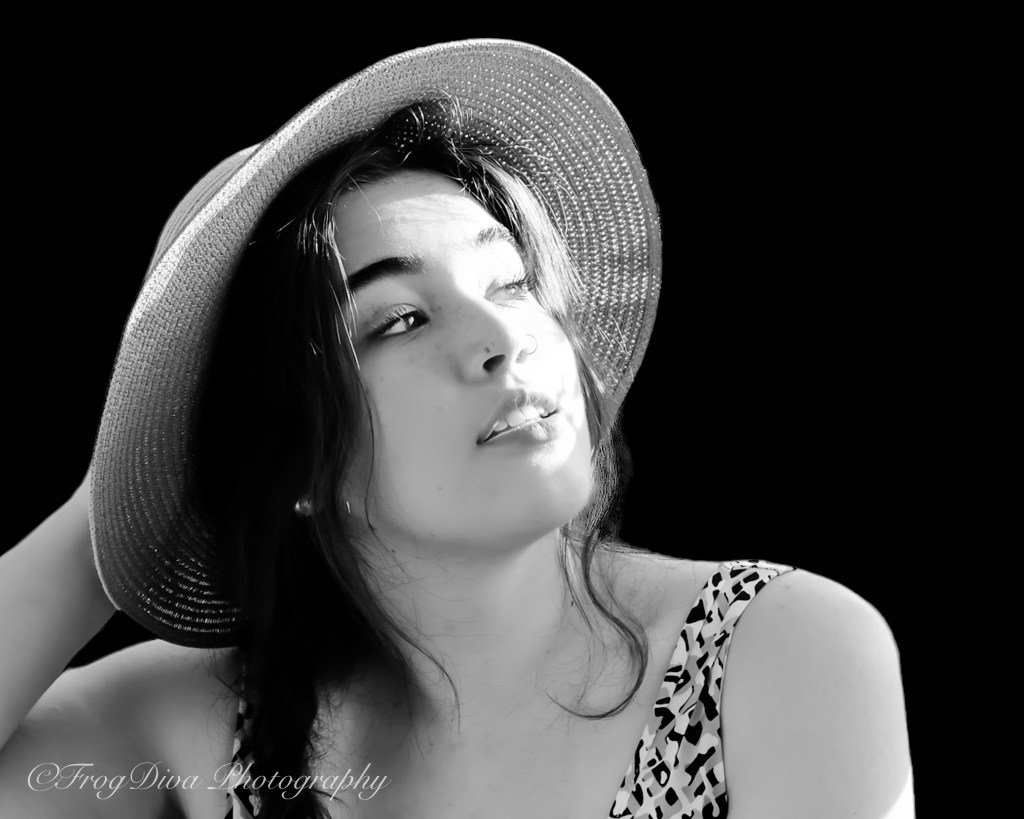
The gold standard of portraits is to have everything in perfect order, not a hair out of place. So I love sharing photographs like these that defy convention and capture the natural beauty and inner light of the person. This may not be a popular stand but I’m old-school and proud of it.
In the past year there has been a lot of talk and debate about the role of artificial intelligence (AI) in photography. AI is here to stay in general in all walks of life, there is no denying that, and the fear permeating many sectors is that AI will replace humans in many jobs, especially with the integration of such tools like chatGPT in the workplace. Will the humans eventually become redundant? This is a question that has unleashed a very valid uproar and a growing fear that needs to be addressed. Never before has management been more challenged that in this era. I like to view it as an existential crisis for Human Resource departments, because they will have to re-define job descriptions and responsibilities. What do you delegate to AI and what do you assign to humans? Even just writing this sentence is bizarre, but this the current reality we face – and to think that just a generation ago, when our parents had to transition from manual accounting and typing to computers, and we are now living in a reality where we have virtual assistants, online friends, and our entire lives are dependent on digitalisation.
I embrace technological advancement in most cases and will sometimes will take time to jump on the bandwagon. Conversely, I will study the new concept before deciding whether or not to join the multitudes or not. Just because it’s trendy doesn’t mean it’s adequate for my lifestyle or principles, e.g. TikTok, Facebook. Having said that, let me circle back and address one sore spot with AI that does not sit well with me. As a professional photographer I struggle with AI and object to it out of sheer dignity and pride of the three decades I put into my craft. Sure, I use post processing tools like everyone else to adjust lighting and colour where needed, but never to replace the human touch of capturing a moment and a memory.
My issues are rooted in the fact that I began my photography journey as a photojournalist and documentary photographer in the age of analog cameras, where you have to think on your feet and submit images SOOC. Good grief, when my father handed me my first camera in the 1970s (1974 to be exact), I had a 12-shot film and a cube flash! But look at photography now and what the cameras can do. I always joked that some cameras could probably even control the space shuttle and brew coffee on top of all the other digital features! Just have a look at the Nikon Z 9, the Leica M11 or the soon-to-be-released Q3, Fuji X T-5, for example. They are a far cry from the little instamatics! Yes, of course there were some sophisticated Nikons, Leicas and Canons dating back to the 1950s already, but the photographer retained full control over the camera and image, and the cost of film also disciplined us to plan and put some thought into the shot before pressing the shutter. The advent of the DSLR made every photographer trigger happy and for the production line it means the faster the better.
If you are active on social media you will have noticed the rise of AI images being passed off as photographs. Therein lies my ire. There is a plethora of arguments in favour of AI and why it will never replace photographers but let’s be clear on one thing – an AI image is NOT a photograph, and I expect any self-respecting professional to uphold their credibility and declare whether the image is AI generated or not. So many colleagues risk their lives on the forefronts to be visual storytellers and contribute to history, current events, or education, and their efforts should not be insulted or invalidated by trying to pass off an AI-generated image as a photograph. It has reached a point where several international competitions have been faced with the issue of people submitting AI images as photographs, resulting in some of them disqualifying AI images altogether or creating a separate category.
Social media is one of the most dangerous and misleading platforms for this, particularly if you scroll quickly and like without pausing to view the image critically. Hats off to many of the talented digital creators out there, I admire their imagination and the future of animation is definitely secured, but old-school photography is taking a brutal hit here. On instagram for example, I follow several models, both male and female, but much to my surprise some of them turned out to be entirely AI images. Can this be viewed as fair competition? No, not at all, because the professional models, like the photographers, pride themselves in their work, effort, projects and networking.
As I said in the beginning, AI is here to stay and the hype will eventually fizzle out, but when it comes to photography, some things are simply irreplaceable – the human.
 FrogDiva Thoughts